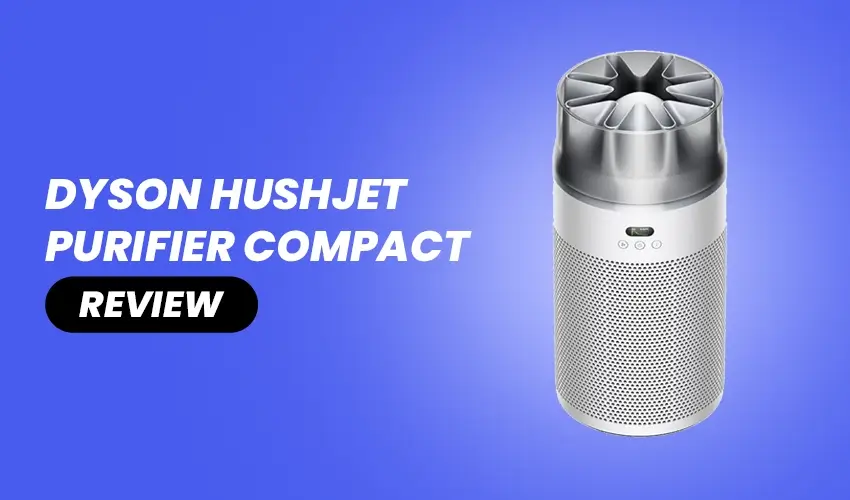
Dyson HushJet Purifier Compact Review: Whisper-Quiet Clean Air
If you’ve ever lived in a city apartment or worked in a small home office, you know how quickly the air can feel stale and stuffy. Between cooking odors, dust, pet dander, and outdoor pollutants sneaking through windows, maintaining fresh indoor air can feel like a losing battle. That’s where compact air purifiers come into play, and the Dyson HushJet Purifier Compact has been making waves for its ability to clean your space without adding to the noise pollution that already fills our daily lives.
Technical Specifications at a Glance
Understanding what you’re getting helps make an informed decision. Here’s a detailed look at the key specifications that matter:
| Specification | Details |
| Room Coverage | Up to 250 square feet |
| Filtration System | True HEPA + Activated Carbon |
| Noise Level | 24-48 dB (depending on speed) |
| Filter Efficiency | 99.97% of particles ≥0.3 microns |
| Dimensions | 8.5″ W x 8.5″ D x 16″ H |
| Weight | 5.8 lbs |
| Power Consumption | 6-40 watts |
| Fan Speeds | 10 speed settings |
| Filter Replacement | Every 6-12 months |
| Warranty | 2 years |
| Smart Features | Auto mode, Air quality sensor, Sleep mode |
| Display | LCD with brightness control |
Why Quiet Matters in Air Purification
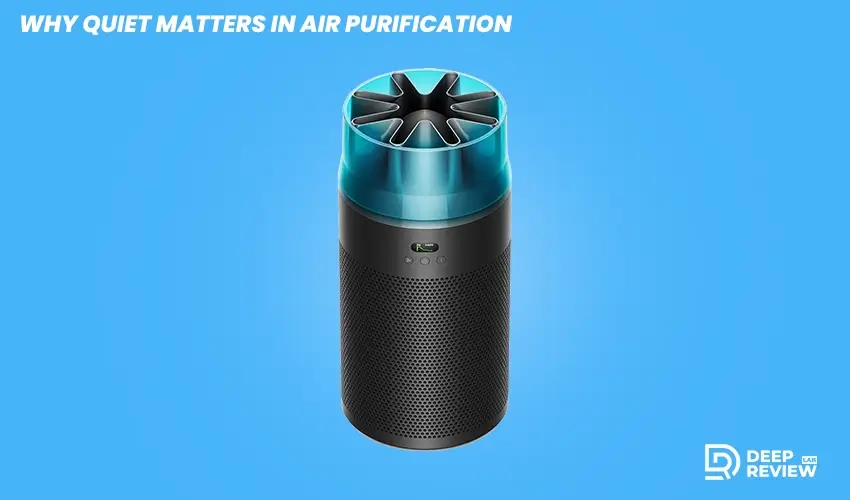
When most people shop for air purifiers, they focus on filtration efficiency and coverage area. These are important, sure, but there’s one aspect that often gets overlooked until you’re trying to sleep, work, or watch a movie: noise levels. Traditional air purifiers can sound like a small jet engine on higher settings, creating a constant hum that becomes part of your environment whether you like it or not.
The difference between a purifier you actually use and one that sits in the corner gathering dust often comes down to how well it fits into your life. If it’s too loud, you’ll turn it off during phone calls, while watching TV, or when you’re trying to concentrate. Before you know it, it’s running only a few hours a day instead of doing its job around the clock.
That’s what makes whisper-quiet operation such a game changer. When a purifier runs so quietly you forget it’s there, you’re more likely to let it work continuously, which means you’re actually breathing cleaner air throughout the day and night.
Understanding the Technology Behind Silent Operation
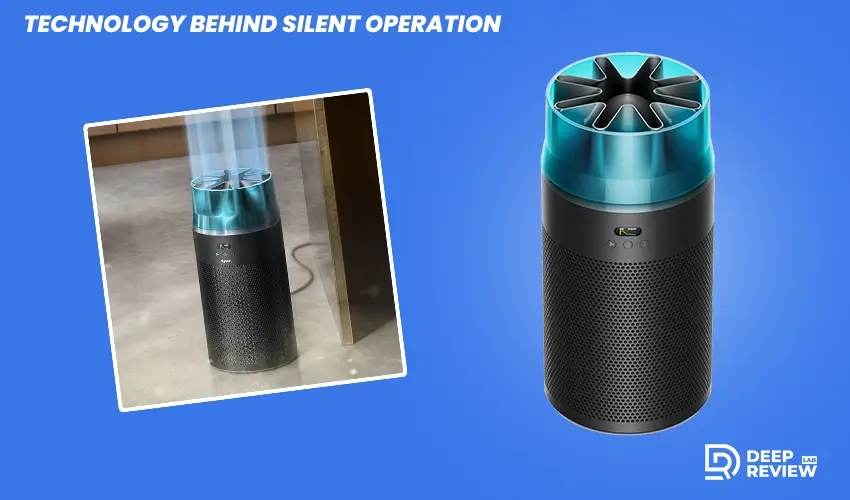
Achieving powerful air cleaning while maintaining near-silent operation isn’t simple engineering. It requires rethinking how air moves through the device. Traditional purifiers often rely on high-speed fans that push air forcefully through dense filters, and that forceful pushing creates noise.
Modern quiet purifiers use advanced aerodynamics and motor technology to move air more efficiently. Instead of brute force, they optimize airflow patterns so that air glides through the filtration system with minimal turbulence. The motors themselves are engineered with precision bearings and sound-dampening materials that absorb vibrations before they can turn into audible noise.
The filtration system also plays a role in sound levels. High-quality HEPA filters are designed with the right balance of density and surface area, allowing air to pass through without creating the whistling or rushing sounds that cheaper filters can produce. When all these elements work together, you get a purifier that cleans effectively while operating at sound levels comparable to a whisper or gentle rainfall.
What Makes Compact Purifiers Ideal for Modern Living
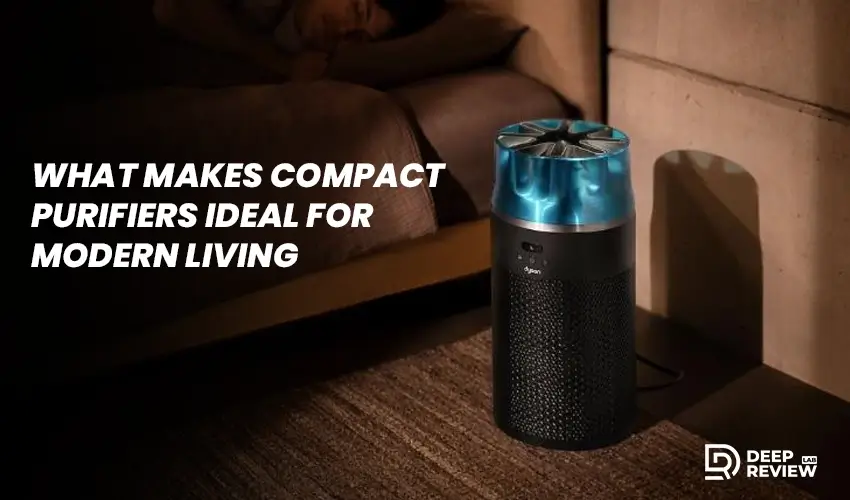
Small living spaces have become the norm for many people, whether you’re in a studio apartment, a bedroom, or a compact home office. Full-size purifiers designed for large rooms can feel overwhelming in these spaces, both visually and functionally. They take up valuable floor space and can dominate a room’s aesthetic.
Compact purifiers solve this problem by concentrating cleaning power into a smaller footprint. They’re designed to handle rooms up to a certain square footage efficiently, which for most bedrooms, offices, and small living areas is more than adequate. You can place them on a nightstand, desk, or shelf without rearranging your entire room.
The portability factor shouldn’t be underestimated either. A lightweight, compact purifier can easily move from your bedroom at night to your home office during the day, or from the nursery to the living room as needed. This flexibility means you’re not locked into cleaning just one space, and you can prioritize air quality wherever you’re spending the most time.
Real-World Performance in Everyday Environments
Let’s talk about what actually matters: how well does a quiet compact purifier handle real life? Testing in a laboratory is one thing, but your home isn’t a controlled environment. You’ve got cooking smells from last night’s dinner, dust from opening windows, maybe some pet hair floating around, and if you live in a city, outdoor pollution finding its way inside.
In bedroom settings, the quiet operation really shines. Running a purifier through the night helps with allergies and general air quality, but only if the sound doesn’t keep you awake. Many users report being able to run their quiet purifiers on higher settings overnight without any sleep disruption. Some even find the extremely gentle white noise soothing, though it’s subtle enough that it won’t bother light sleepers.
For home offices, having clean air without distraction helps with focus and productivity. You’re not constantly aware of a machine running in the background, and if you’re on video calls, there’s no competing noise to worry about. The compact size means it fits on a bookshelf or side table without cluttering your workspace.
In small living areas or nurseries, the combination of effective cleaning and quiet operation creates a healthier environment without adding stress. Parents particularly appreciate being able to run a purifier in a baby’s room without worrying about noise disrupting sleep patterns.
Filter Quality and Maintenance Considerations
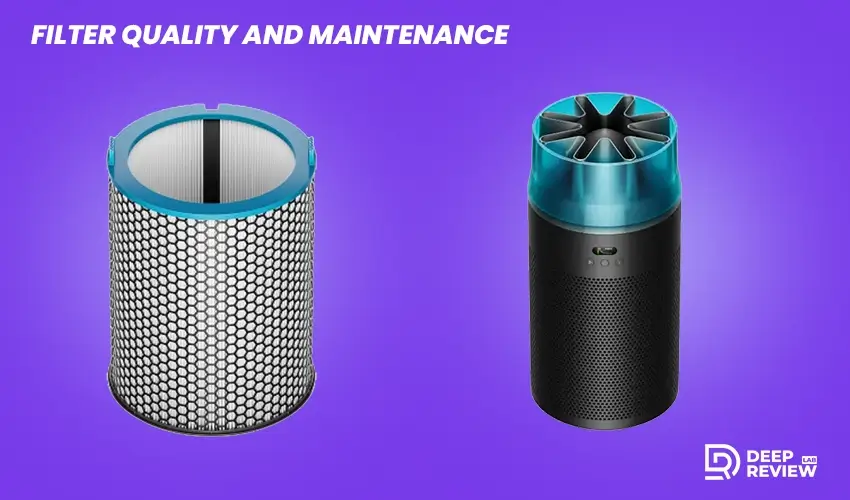
The heart of any air purifier is its filtration system, and this is where you shouldn’t compromise. True HEPA filters can capture 99.97% of particles as small as 0.3 microns, which includes most allergens, dust, pollen, mold spores, and many bacteria. Some purifiers also include activated carbon filters that tackle odors and gases that HEPA alone can’t handle.
With compact purifiers, filter replacement is usually straightforward. Most models use filters that last anywhere from six months to a year, depending on usage and air quality. The key is choosing a purifier where replacement filters are readily available and reasonably priced. Some brands lock you into expensive proprietary filters, which can make the long-term cost of ownership frustrating.
Maintenance beyond filter changes is typically minimal. A quick wipe-down of the exterior and occasional vacuuming of any pre-filters or air intake areas keeps things running smoothly. The simpler the design, the less there is to go wrong and the easier it is to keep clean.
Energy Efficiency and Running Costs
One concern people often have about running air purifiers continuously is the electricity cost. The good news is that modern compact purifiers are remarkably energy-efficient. Most draw less power than a standard light bulb, meaning you can run them 24/7 without seeing a significant spike in your electric bill.
The efficiency comes from optimized motors and smart design that maximizes airflow without requiring excessive power. Some models include auto modes that adjust fan speed based on detected air quality, running at lower speeds when the air is already clean and ramping up only when needed. This not only saves energy but also extends filter life since the purifier isn’t working harder than necessary.
When you factor in the energy costs over a year of continuous operation, most compact purifiers cost somewhere between ten and thirty dollars annually to run. Compared to the health benefits of breathing cleaner air, that’s a pretty reasonable investment. While considering the dyson hushjet purifier compact price against long-term operating costs gives you a more complete picture of the total investment you’re making in your indoor air quality.
Making the Right Choice for Your Space
Choosing an air purifier isn’t about finding the most powerful or expensive model. It’s about matching the right capabilities to your specific needs. Consider the size of the room you’re primarily purifying. A compact purifier designed for rooms up to 200-300 square feet will struggle in a large open-plan space, but it’s perfect for bedrooms and offices.
Think about your sensitivity to noise. If you’re someone who needs complete silence to sleep or concentrate, prioritize the quietest models and check the decibel ratings at different fan speeds. Many manufacturers now provide this information, with the best quiet purifiers operating at under 30 decibels on low settings.
Consider your specific air quality concerns too. If allergies are your main issue, HEPA filtration is essential. If you’re dealing with cooking odors or live with smokers, look for models with substantial activated carbon filters. Pet owners should prioritize purifiers that handle dander and hair effectively. Understanding the dyson hushjet purifier compact features helps you determine whether the air quality sensors, auto mode, and sleep settings align with how you actually plan to use the device in your daily routine.
Availability and Market Considerations
Timing can matter when investing in air quality equipment, especially with newer models that incorporate the latest technology. The dyson hushjet purifier compact release date information becomes relevant if you’re deciding between waiting for the newest version or purchasing a current model that’s already proven itself in real-world conditions.
Sometimes waiting for the latest release makes sense if significant upgrades are coming, but established models often provide better value since prices tend to drop once newer versions hit the market. Plus, you’ll find more user reviews and real-world feedback on models that have been available longer, which helps you make a more informed decision.
Seasonal considerations also play a role. Air purifier demand tends to spike during allergy seasons and wildfire season, which can affect both availability and pricing. Shopping during off-peak times might land you better deals, though waiting isn’t ideal if you’re currently dealing with air quality issues affecting your health or comfort.
Final Words
Clean air shouldn’t come at the cost of peace and quiet in your home. The evolution of air purifier technology has reached a point where you don’t have to choose between effective filtration and a peaceful environment. Compact, whisper-quiet purifiers deliver real air quality improvements in small to medium spaces without the noise pollution that made older models so intrusive.
For anyone living in apartments, working from home, dealing with allergies, or simply wanting to breathe easier, investing in a quality quiet purifier makes sense. The technology has matured, the prices have become more accessible, and the real-world results speak for themselves. Your lungs and your ears will thank you.