


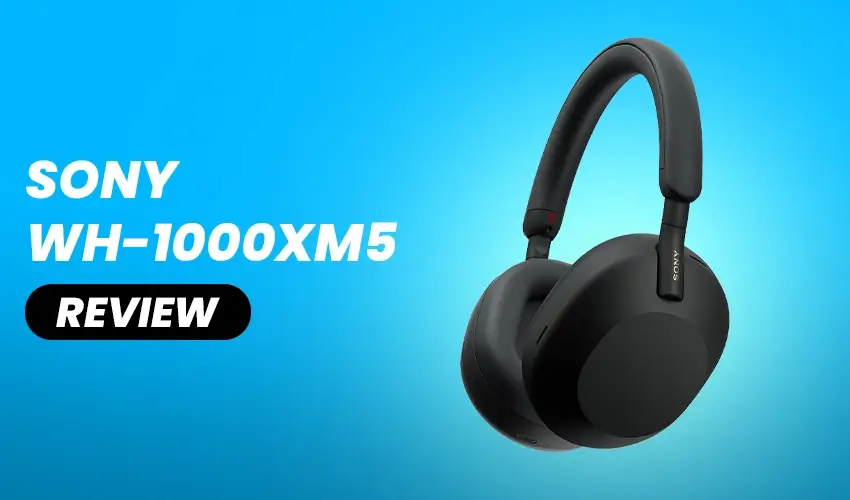
When it comes to premium noise-canceling headphones, Sony has dominated the market for years. If you already own the XM4 or are deciding whether to upgrade to the Sony WH-1000XM5, you may wonder if the newer model justifies its higher price. This question is even more important now that both models are available at different price points. The answer might surprise you.
The headphone market moves fast, and newer doesn’t always mean better value. Both the Sony WH-1000XM5 and its predecessor deliver exceptional experiences, but they focus on different priorities. If you want the absolute best in noise cancellation, or if you are looking for the smartest value that still offers premium performance, understanding their differences will help you choose the right model for your needs and budget.
What Makes These Two Models Different

Before diving into the specifics, it’s important to understand that Sony didn’t just update the XM4 with minor tweaks. The XM5 represents a genuine redesign with new technology under the hood. However, that doesn’t automatically make it the better choice for everyone. Some improvements come with compromises, and the XM4 still holds its own in several key areas that matter to real users.
Throughout this comparison, we’ll examine every aspect that affects your daily experience with these headphones. From how they feel in your head during long listening sessions to how well they handle noisy environments, you’ll get a clear picture of what each model delivers.
We’ll also look at the sound quality differences, battery performance, smart features, and most importantly, whether the price gap between them makes sense for your situation. Let’s start by looking at how these headphones are built and what that means for comfort and durability.
Design and Build Quality

Sony took a bold design direction with the WH-1000XM5, moving away from the familiar look that made the XM4 instantly recognizable. The newer model has a sleeker, more modern aesthetic. It also features a simplified headband mechanism that uses friction rods instead of the notched adjustment system. This gives the XM5 a cleaner appearance and makes it slightly lighter, weighing just under 250 grams compared to the XM4’s 254 grams.
However, this design shift comes with trade-offs. The XM4 can fold completely flat and collapse into a compact shape, making it easier to pack in bags or carry without the case. The XM5 only folds flat and requires a larger carrying case. The older model also feels more robust with traditional hinges, while the XM5’s streamlined construction has raised some durability concerns, especially around the hinge areas where some users have reported issues.
Both models have plush memory foam ear pads wrapped in soft-touch synthetic leather. The XM5 offers slightly wider padding, creating a better seal around most ear shapes. Comfort is excellent on both, but the XM5 edges ahead with its improved headband. It distributes pressure more evenly across the top of your head during extended listening sessions.
Sound Quality Performance

This is where things get interesting, and your preferences will play a major role in which model suits you better. The XM5 introduced new 30mm carbon fiber composite drivers, a departure from the 40mm drivers used in the XM4. Despite the smaller size, these drivers deliver a more refined sound signature with improved clarity and detail retrieval across the frequency spectrum.
Out of the box, the XM4 delivers a warmer, more bass-forward sound that many listeners find immediately pleasing. The bass has more punch and weight, which works wonderfully for genres like hip-hop, electronic music, and pop. The XM5, in contrast, presents a more balanced profile with tighter, more controlled bass that some reviewers have described as less thick or boomy. The mids and highs on the XM5 sound clearer and more open, revealing subtle details in recordings that the XM4 might gloss over.
Both headphones support Sony’s LDAC codec for high-resolution audio streaming, DSEE Extreme for upscaling compressed files, and come with customizable EQ settings through the Sony Headphones Connect app. The sony wh-1000XM5 stands out because its sound quality improves dramatically with EQ adjustments, while the XM4 sounds more immediately satisfying straight out of the box. If you enjoy tweaking your audio settings, the XM5 offers more potential. If you prefer a plug-and-play experience with rich, powerful bass, the XM4 might be more your style.
Noise Cancellation Technology

Sony raised the bar significantly with the XM5’s active noise cancellation. The newer model uses dual processors, the integrated V1 processor alongside the QN1 processor, working with eight microphones. This delivers what many consider the best ANC available today. It excels at blocking mid- and high-frequency sounds, from human voices to the whoosh of wind. These were areas where even the excellent XM4 had room for improvement.
The XM4 uses the QN1 processor with fewer microphones. However, its noise cancellation remains outstanding. It handles the low rumble of airplane engines and traffic noise with impressive effectiveness. In real-world use, both models eliminate most environmental noise. For many situations, the difference between them is subtle rather than dramatic.
Where the XM5 really stands out is its adaptive noise cancellation. It automatically optimizes based on environmental measurements. The XM4 requires manual calibration through the app for the best performance. The XM5 also manages wind noise much better, making it a superior choice for outdoor use or activities like cycling.
Battery Life and Charging
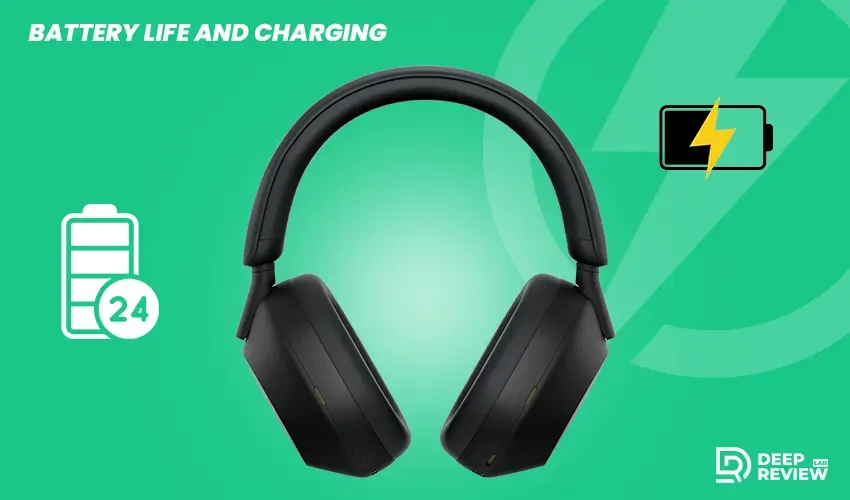
Both models deliver the same 30 hours of playback time with active noise cancellation enabled, which is excellent for this category. Without ANC, you can stretch that to around 40 hours on both pairs. If you’re curious about maximizing performance, the sony wh-1000xm5 battery life holds up impressively even with heavy use, meaning you’ll likely charge them weekly at most, even with daily use.
The XM5 offers improved quick charging capability, providing three hours of playback from just three minutes of charging, though you’ll need a USB Power Delivery compatible charger to achieve this. The XM4 gives you about five hours from ten minutes of charging with a standard charger. In practical terms, both charge fast enough that you’ll rarely be caught with dead headphones, and the battery longevity means you won’t be reaching for the charging cable constantly.
Features and Functionality
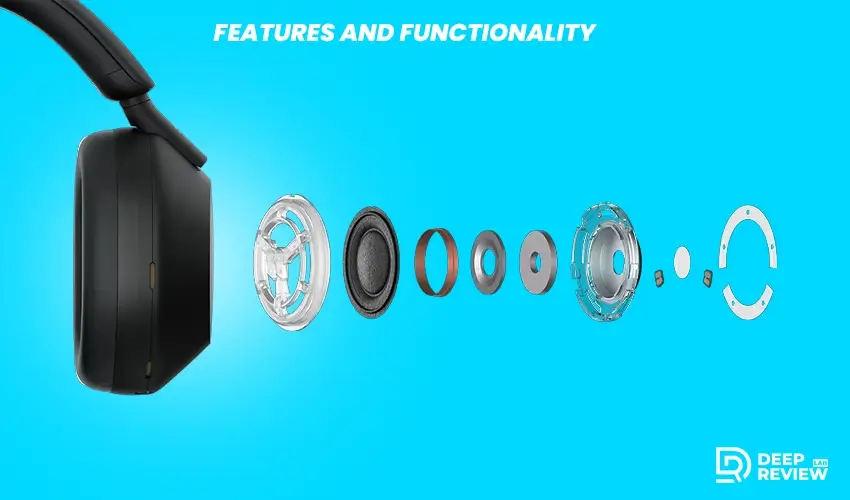
Sony kept the feature sets remarkably similar between these two generations. Both offer multipoint Bluetooth connectivity, allowing you to connect to two devices simultaneously and switch between them seamlessly. They share the same intuitive touch controls on the right ear cup for playback, volume adjustment, and voice assistant access. If you’re setting up your headphones for the first time and wondering how to pair sony wh-1000xm5 with multiple devices, the process is straightforward through the companion app or standard Bluetooth settings. The Quick Attention mode (covering the right cup to temporarily let ambient sound through) works identically on both.
The Speak-to-Chat feature that automatically pauses your music when you start talking is available on both models, though it can be overly sensitive and trigger from coughing or throat clearing. Both support Sony’s 360 Reality Audio for spatial sound experiences and include wear detection sensors that pause playback when you remove the headphones. For detailed control over these features, the sony wh-1000xm5 manual provides helpful guidance on customizing each setting to match your preferences.
One notable upgrade on the XM5 is the call quality. With additional microphones and advanced AI-powered noise reduction, the XM5 delivers significantly clearer voice calls, even in noisy environments. If you take frequent calls while wearing your headphones, this improvement alone might justify the upgrade.
Price and Value Considerations
This is arguably the most important factor in your decision. The XM5 launched at $400, while the XM4 originally retailed for $350. However, pricing has shifted considerably since the XM5’s release. You can frequently find the XM4 on sale for around $250 to $280, while the sony wh-1000xm5 best buy deals typically hover between $300 and $350 during sales events, with recent promotions bringing them down to $248 at their lowest.
At these discounted prices, the value equation changes dramatically. If you can find the XM4 for $250 or less, you’re getting premium noise-canceling headphones that still compete with the best in the market at a remarkable price. Major retailers like best buy sony wh-1000xm5 often run competitive promotions, especially during holiday seasons and special sale events. The XM5 at $300 represents excellent value if you want the absolute latest technology and best noise cancellation available.
Who Should Buy the XM5
The XM5 makes sense if you prioritize having the absolute best noise cancellation technology available, especially for blocking out human voices and high-frequency sounds. They’re ideal for frequent flyers, commuters on public transportation, or anyone working in noisy office environments. The improved call quality matters if you spend significant time on phone or video calls while wearing headphones.
You’ll also appreciate the XM5 if you enjoy a more balanced, analytical sound signature that reveals detail and texture in your music. Audiophiles who like to fine-tune their sound through EQ will find more potential in the XM5’s tuning flexibility. The lighter weight and improved comfort make them better for all-day wear if you tend to keep headphones on for extended periods.
Who Should Stick With the XM4
The XM4 remains a fantastic choice, particularly when you factor in the price difference. If you prefer a warmer, bass-heavy sound signature that’s more fun for casual listening, the XM4 delivers this right out of the box without requiring EQ adjustments. The more robust build quality with traditional folding mechanisms offers better portability and potentially greater durability.
For someone who doesn’t take many calls through their headphones and primarily uses them for music, podcasts, or video entertainment, the XM4’s noise cancellation is more than adequate. The money you save can go toward other audio gear, music subscriptions, or simply stay in your pocket. If you already own the XM4 and they’re working perfectly for you, the improvements in the XM5, while real, probably don’t justify replacing headphones that are already excellent.
Making Your Final Decision
Both of these headphones represent the pinnacle of what wireless noise-canceling technology can achieve. Based on extensive testing and user feedback, this sony wh 1000xm5 review highlights how the XM5 pushes things forward with superior ANC, refined sound quality, and better call performance. The XM4 offers tremendous value with proven performance and a sound signature many listeners prefer at a lower price point.
Your decision should come down to what matters most in your daily use. If you’re constantly battling noisy environments and want the absolute best silence available, the XM5 justifies its premium. If you’re looking for excellent performance at a better price, especially if you find a good sale on the XM4, you’ll be thrilled with what they deliver.
Consider your budget, listening preferences, and how you’ll primarily use these headphones. Both will serve you well for years to come, and whichever you choose, you’re getting a pair of headphones that stand among the very best available today. The good news is that with Sony, you really can’t make a wrong choice between these two exceptional models.
Final Words
The sony wh-1000XM5 offers cutting-edge technology and superior noise cancellation, while the XM4 delivers exceptional value with a sound signature many listeners still prefer. Your choice ultimately depends on whether you prioritize having the absolute latest features or getting premium performance at a better price. Either way, you are investing in headphones that will elevate your listening experience for years to come.
