
Levoit LV600S Review Ultimate Smart Humidifier for Large Rooms
When the air in your home starts feeling dry and uncomfortable, finding the right humidifier becomes more than a comfort upgrade, it’s essential for better sleep, healthier skin, and avoiding those constant static shocks. The challenge grows even bigger with spacious living rooms, master bedrooms, and open-concept areas. Not every unit, even well-known options like the levoit lv600s, has the power to keep large rooms properly moisturized.
This is why many homeowners are now turning to smart humidifiers. These devices offer strong mist output paired with modern conveniences like remote control, automation, and real-time humidity tracking. Among the leading choices, the Levoit LV600S is especially popular for its mix of performance, smart features, and ease of use in larger spaces.
To understand which humidifier can truly handle a big room, it helps to look at the features that matter most, tank capacity, mist output strength, smart controls, and overall maintenance. These details ultimately determine whether a humidifier will noticeably improve your air quality or end up forgotten on a shelf.
Understanding Humidifier Basics for Large Spaces
Before exploring specific features, it helps to understand what separates adequate humidifiers from exceptional ones when dealing with large rooms. The fundamental challenge lies in distributing moisture evenly across a significant area while maintaining consistent humidity levels throughout the day and night.
Room size recommendations on humidifier packaging often represent ideal conditions rather than real-world performance. A device rated for 500 square feet might struggle in a room with high ceilings, poor insulation, or constant air circulation from heating systems. Large spaces demand humidifiers with substantial water tank capacity, powerful mist output, and ideally, some form of humidity monitoring to prevent over-humidification.
The type of humidification technology also matters considerably. Warm mist humidifiers heat water before releasing it, which can feel comforting during winter but increases energy consumption and poses burn risks. Cool mist humidifiers use either evaporative wicks or ultrasonic technology to create a fine mist without heating. Ultrasonic models have gained popularity because they operate quietly and efficiently, making them suitable for bedrooms and living spaces where noise levels matter.
Tank Capacity and Runtime Considerations

One of the most practical concerns with any humidifier is how often you need to refill it. For large rooms, this becomes even more critical because higher mist output to cover more space means faster water consumption. Nothing disrupts the benefit of a humidifier quite like waking up at 3 AM to a dry room because the tank ran empty hours earlier.
A six-liter tank capacity represents a sweet spot for many large room applications. This volume provides enough water to run through an entire night on higher settings or potentially multiple days on lower settings. The ability to go longer between refills transforms a humidifier from a constant maintenance task into a background appliance that quietly does its job.
The design of the water tank itself deserves attention beyond just capacity. Top-fill designs have revolutionized the refilling experience by eliminating the awkward gymnastics of flipping a tank upside down and hoping it seals properly. Being able to pour water directly into the top opening, or even fill it in place using a pitcher, makes daily maintenance significantly less cumbersome. Wide openings also facilitate thorough cleaning, which is essential for preventing mineral buildup and bacterial growth.
Smart Features That Actually Matter
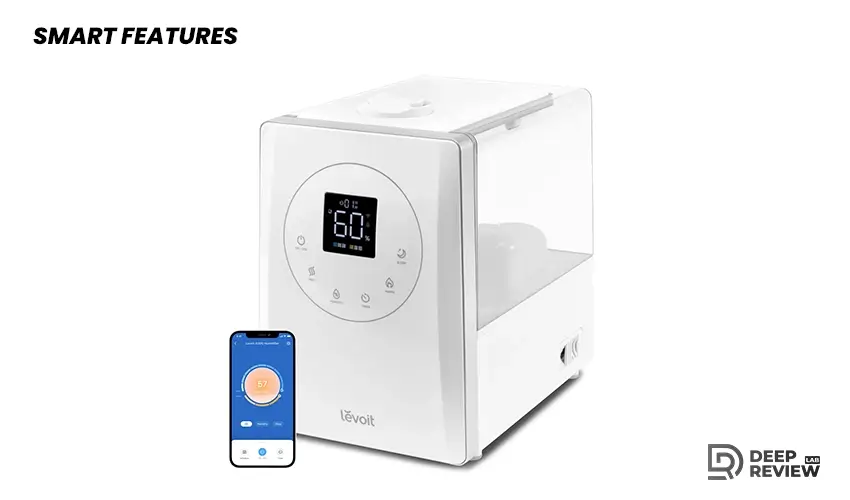
The “smart” label appears on many products, but not all smart features deliver equal value. For humidifiers, genuine utility means solving real problems, not adding needless complexity. Smartphone apps address common frustrations. Adjusting settings from bed, checking humidity remotely, or turning the unit on before arriving home creates meaningful convenience. Remote monitoring helps identify when air quality drops before discomfort begins.
Voice control through Alexa or Google Assistant enhances this further. Adjusting humidity while cooking, working, or caring for children removes even the friction of grabbing your phone. For smart home users, humidifiers can join broader automation routines.
Scheduling transforms humidifiers from reactive devices into proactive health tools. Programming higher humidity during sleep and lower levels during the day matches natural preferences while optimizing water usage. Some prefer higher winter humidity when heating dries the air, but lower levels during shoulder seasons. Automated schedules remember preferences without daily adjustments.
Humidity Monitoring and Auto Mode Benefits
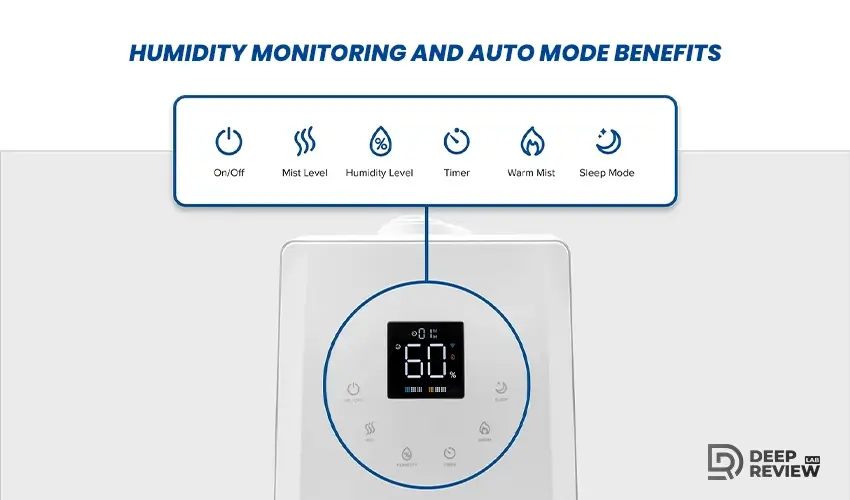
Built-in hygrometers that measure current humidity levels elevate a humidifier from a simple moisture emitter to an intelligent climate control device. Without humidity monitoring, you’re essentially running blind, hoping the settings you’ve chosen are appropriate. Too little humidity and you don’t get the health and comfort benefits you’re seeking. Too much humidity creates conditions for mold growth, dust mite proliferation, and that clammy feeling that makes everything unpleasant.
Auto mode functionality uses humidity readings to adjust mist output automatically. When humidity drops below the target level, the humidifier increases output. When the target is reached, it reduces or stops misting to maintain the desired level. This self-regulation prevents the boom-and-bust cycle of manual operation where humidity swings from too low to too high depending on how recently you adjusted the settings.
The ideal indoor humidity range typically falls between 30 and 50 percent, with most people finding 40 to 45 percent most comfortable. This range provides enough moisture to prevent dry skin, irritated sinuses, and static electricity while staying below the threshold where mold and mildew become problems. A humidifier that can target and maintain specific humidity levels within this range delivers consistent comfort with minimal intervention.
Mist Output Customization Options
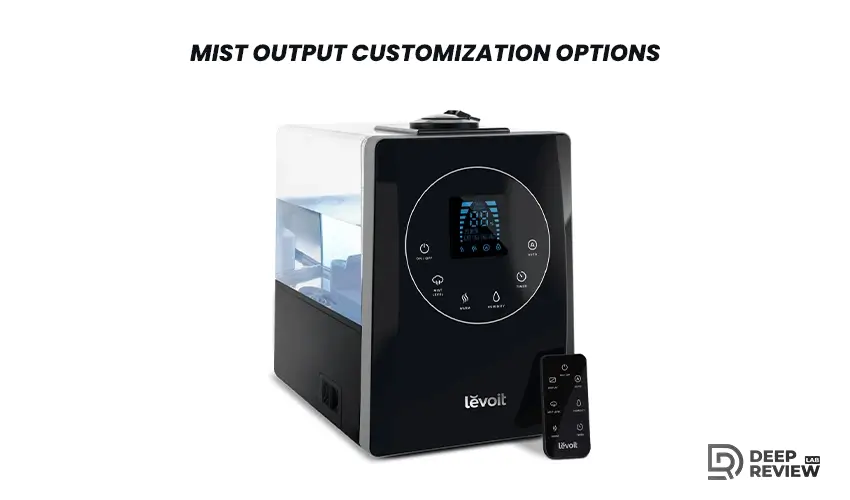
Different situations require different humidity levels and output rates. Fine-grained control provides flexibility for changing seasons and activities. Multiple mist settings balance moisture distribution with tank longevity. High output quickly raises humidity in very dry conditions or when heating systems start in fall. Medium settings maintain comfort during typical winter. Low settings extend runtime between refills or when humidity nears target levels.
Warm versus cool mist adds further customization. Cool mist feels refreshing in warmer months and uses less energy. Warm mist soothes during cold weather and distributes moisture better in rooms with cold drafts. The Levoit LV600S offers both options in one device, avoiding single-approach limitations.
Directional or rotating nozzles distribute moisture evenly throughout rooms. Rather than creating wet spots on ceilings, adjustable nozzles direct mist toward different areas, improving coverage in awkwardly shaped spaces or rooms where furniture blocks airflow.
Noise Levels for Bedroom Use
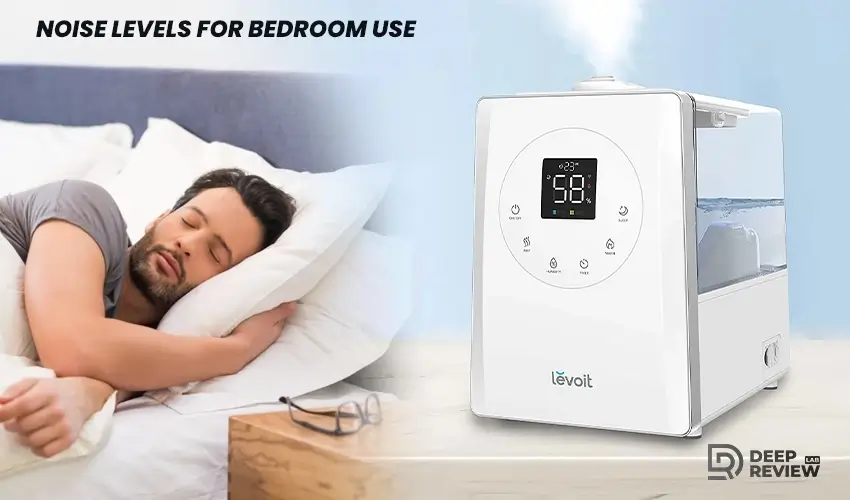
A humidifier’s sound profile often determines whether it becomes a beloved nighttime companion or an irritating presence that gets banished to a distant room. Ultrasonic technology generally operates more quietly than evaporative models because it doesn’t require a fan to blow air through a wet wick. However, even ultrasonic models vary considerably in noise output depending on build quality and design.
Sleep mode features that reduce display brightness and minimize operational sounds show thoughtful consideration for bedroom use. Bright LED displays and indicator lights might not seem problematic during the day, but in a dark bedroom, even a small light can be disruptive. Being able to dim or turn off displays while keeping the humidifier running makes a significant difference in sleep quality.
The sound of water bubbling or the fan running can actually serve as white noise that helps some people sleep better by masking other disruptive sounds. However, this benefit only applies if the sound remains consistent and doesn’t include jarring beeps, clicks, or changes in tone. Humidifiers designed with sleep environments in mind maintain steady, unobtrusive operation throughout the night.
Maintenance Requirements and Cleaning
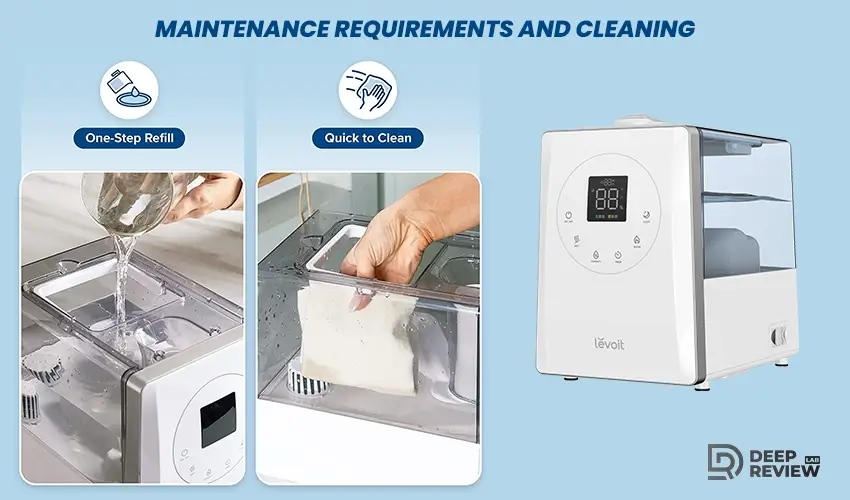
The most powerful humidifier becomes useless if maintenance is so burdensome you stop using it. Regular cleaning prevents mineral deposits, bacteria, and musty odors. Easier maintenance means you’ll actually do it.
Wide tank openings and removable components allow thorough cleaning. Reaching all interior surfaces prevents biofilm and mineral scale that harbor bacteria and reduce performance. Inaccessible tanks inevitably develop problematic buildup. The Levoit LV600S manual explains recommended cleaning procedures and frequency for optimal performance.
Water hardness varies by location, and hard water causes rapid mineral accumulation. Some humidifiers include ceramic filters or demineralization cartridges that reduce white dust and extend cleaning intervals. While these add ongoing costs, they significantly reduce deep cleaning frequency.
Cleaning reminders based on runtime help you maintain the device without manual tracking. When notified it’s time for cleaning, you can trust the recommendation is based on actual use rather than guesswork.
Essential Oil Compatibility
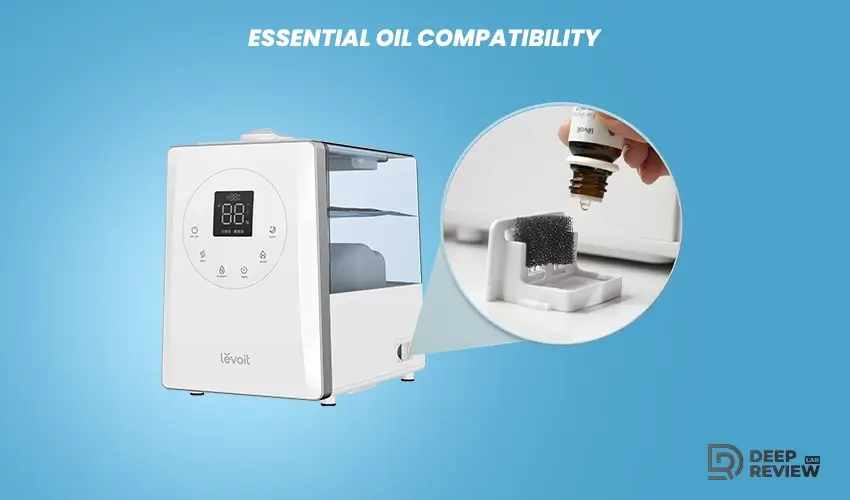
Many people appreciate the option to add aromatherapy benefits to humidification. The ability to use essential oils transforms a humidifier into a dual-purpose device that moisturizes the air while dispersing pleasant scents. However, essential oil compatibility isn’t universal, and using oils in incompatible devices can cause damage.
Dedicated essential oil trays or compartments separate oils from the main water tank and ultrasonic mechanism. This separation prevents oils from degrading plastic components or leaving residue on the ultrasonic membrane that generates mist. Essential oils are potent substances that can chemically attack certain plastics and metals, so proper compartmentalization is essential for device longevity.
The range of compatible essential oils and the intensity of scent distribution vary among humidifiers with aromatherapy features. Some designs provide a strong scent throw that fills an entire room, while others offer more subtle aromatherapy effects. Your preference will depend on how you plan to use the feature and how sensitive you are to scents.
Energy Efficiency and Operating Costs
Running a humidifier for extended periods, especially during winter months when dry air is most problematic, means energy consumption becomes a practical concern. Ultrasonic humidifiers generally use less electricity than warm mist models because they don’t heat water. The difference might only be a few dollars per month, but over years of use, efficiency advantages add up.
Beyond electricity, consider the cost of replacement filters, demineralization cartridges, and other consumables. Some humidifiers require frequent filter changes that can cost $50 or more annually. Others operate without disposable filters, requiring only regular cleaning. Understanding the total cost of ownership helps you make informed decisions rather than being surprised by ongoing expenses.
The relationship between tank capacity and operating costs is straightforward but worth emphasizing. Larger tanks mean less frequent refilling, which translates to less water waste from spills and less energy spent on repeated startup cycles. A humidifier that runs continuously at optimal settings uses energy more efficiently than one that frequently cycles on and off.
Safety Features for Peace of Mind
Running an electrical appliance that holds several liters of water for extended periods naturally raises safety questions. Well-designed humidifiers incorporate multiple safety features that allow you to operate them confidently even when you’re sleeping or away from home.
Automatic shut-off when the water level gets low prevents the device from running dry and potentially damaging internal components. This feature also conserves energy by ensuring the humidifier doesn’t continue running uselessly after the water is gone. More sophisticated models provide low water alerts through app notifications before reaching the point of automatic shutdown.
Tip-over protection that stops operation if the device gets knocked over prevents water spills and electrical hazards. Homes with children, pets, or just generally active living spaces benefit enormously from this safeguard. Even careful people occasionally bump into furniture or appliances, so having built-in protection against accidents provides valuable peace of mind.
Overheat protection and electrical safety certifications from recognized testing laboratories indicate that the manufacturer has invested in proper safety engineering. While safety features aren’t exciting selling points, they represent the difference between a product you can trust and one that keeps you slightly anxious every time you leave it running.
Design and Build Quality Considerations
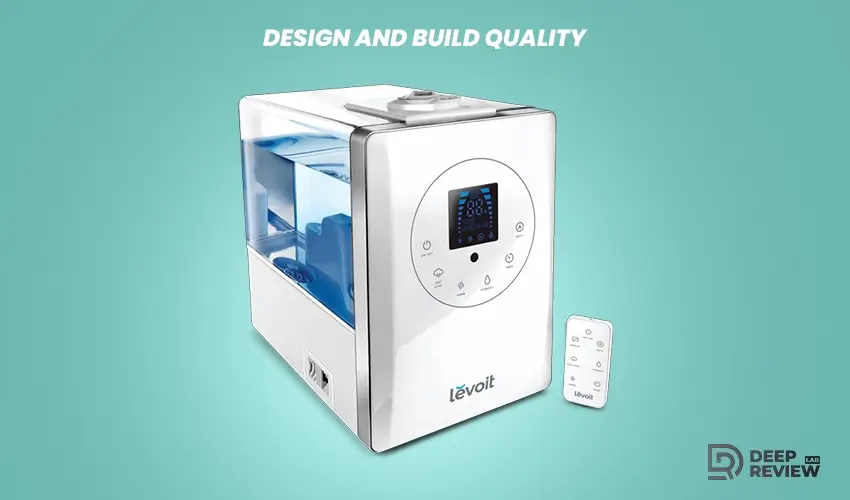
A humidifier that will occupy visible space in your bedroom or living room should look presentable while also being built to last. The balance between aesthetics and durability separates appliances that become permanent fixtures from those that feel like temporary solutions.
Modern design aesthetics favor clean lines, neutral colors, and minimal visual clutter. A humidifier that blends into contemporary decor doesn’t call attention to itself, allowing it to do its job without becoming a focal point. White, black, and gray finishes tend to work well with most interior design schemes, while bulky or overly styled designs can clash with carefully curated spaces.
Build quality shows itself in details like the precision of lid fits, the smoothness of buttons and dials, and the weight and feel of components. Flimsy plastics that flex when you pick them up or lids that don’t seal properly signal that a product was built to a price point rather than a quality standard. Solid construction means fewer leaks, better durability, and a device that continues working reliably year after year.
Real-World Performance in Large Rooms
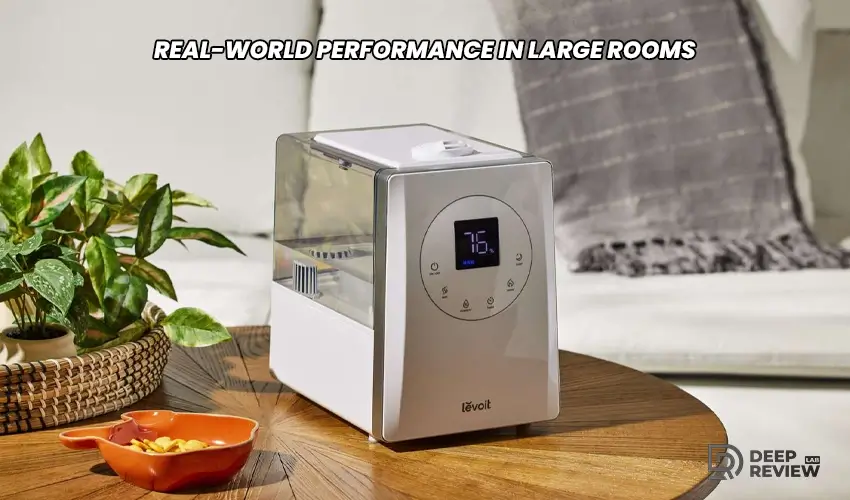
Specifications matter, but real-world performance determines whether a humidifier delivers. Large rooms present unique challenges bench testing misses: air circulation patterns, temperature variations, and HVAC interference.
Coverage claims assume ideal conditions, closed doors, minimal air exchange, moderate starting humidity. Reality involves hallways, high ceilings, and constant air movement from heating and cooling. Effective performance requires more capacity than minimum square footage calculations suggest.
The time to raise humidity from dry to target levels reveals practical usability. A humidifier taking hours to make a noticeable difference might technically work but won’t provide relief when needed. Powerful output enables faster adjustment when arriving home or improving conditions before bedtime.
Humidity consistency throughout a room shows whether a humidifier merely adds moisture or effectively manages air quality. Uneven distribution creates dry pockets in corners or distant areas, reducing comfort. Good internal air circulation and strategic placement achieve more uniform distribution.
Placement Strategies for Optimal Results
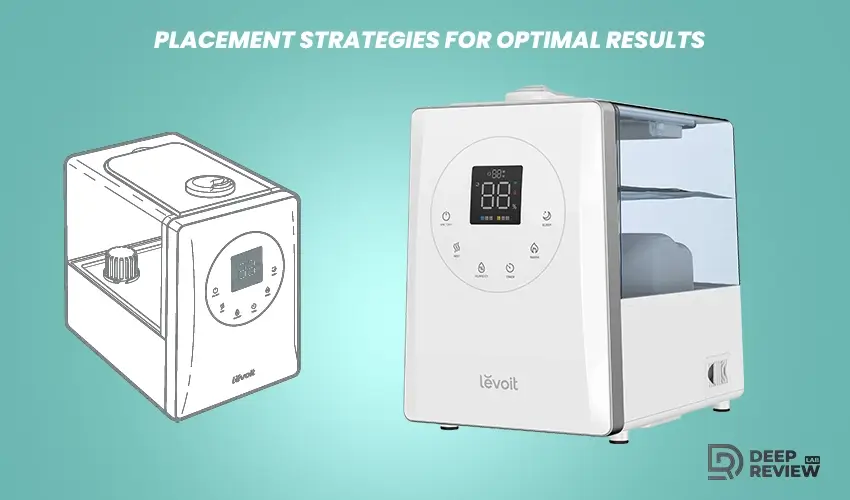
Where you position a humidifier significantly affects its performance. The best device in the world won’t work well if placed inappropriately, while even modest humidifiers can exceed expectations with smart placement.
Elevated surfaces like dressers or nightstands work better than floor placement for most humidifiers. Positioning the device a few feet off the ground helps mist disperse into the air before settling, improving distribution throughout the room. Floor placement can lead to puddles or dampness on surrounding surfaces as mist falls directly onto them.
Distance from walls and furniture prevents moisture accumulation on surfaces and allows air to circulate freely around the humidifier. A few feet of clearance in all directions ensures that mist disperses into the room rather than wetting nearby items. Keeping humidifiers away from wood furniture prevents water damage and warping.
Proximity to beds requires balancing convenience with comfort. Placing a humidifier too close to your sleeping area can result in damp bedding or an uncomfortably moist feeling. Too far away and you don’t receive the full benefit of improved air quality. A distance of six to ten feet from the bed often provides an ideal compromise.
Integration with Smart Home Ecosystems
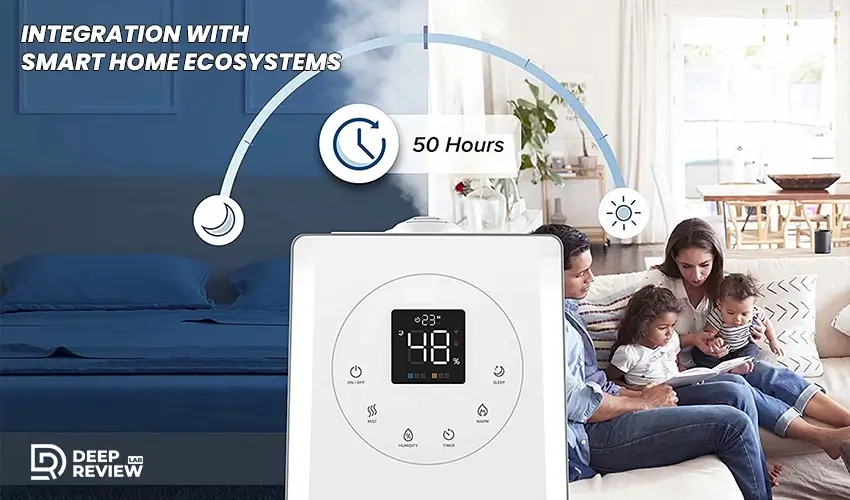
For connected homes, integration with existing smart devices affects overall value. Standalone operation works, but integration enables automation that amplifies benefits.
Compatibility with major voice assistants allows control through the same system managing lights, thermostats, and entertainment. Unified control means no switching between apps or remembering different commands. Natural language like “set bedroom humidity to 45 percent” works seamlessly when properly integrated.
IFTTT support enables creative routines responding to conditions or daily patterns. Create automations that turn on the humidifier when temperature exceeds a threshold, indicating heating is running. Or increase humidity when arriving home for immediate comfort.
Data logging reveals humidity patterns over time. Reviewing trends shows persistent dry air problems, current setting effectiveness, and potential improvements. This information helps make informed decisions about humidifier operation and broader home comfort strategies.
Comparing the LV600S and LV600HH Models
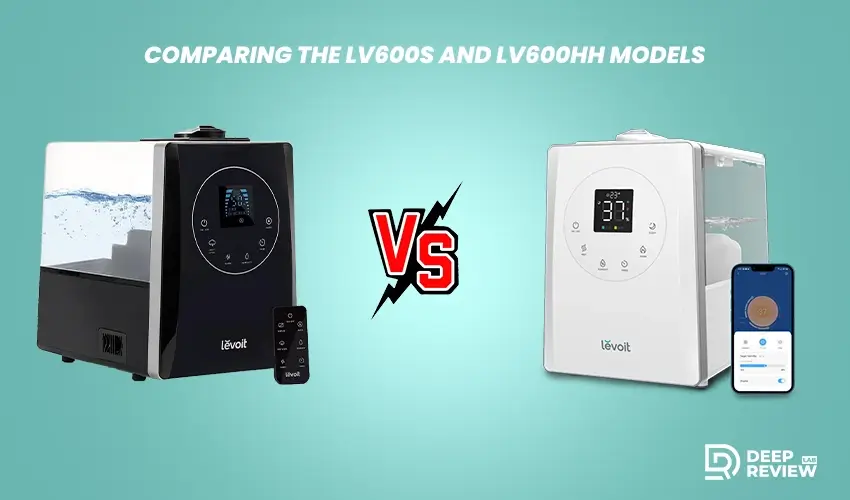
When researching large-space humidifiers, similar models often differ mainly in features. Understanding distinctions helps identify what matters for your situation. The Levoit LV600S vs LV600HH comparison is typical. Both share six-liter capacity, 753-square-foot coverage, and hybrid warm/cool mist, identical core performance.
The key difference is connectivity. The LV600S includes WiFi, app control, and Alexa/Google Assistant compatibility for remote monitoring, scheduling, and smart home integration. The LV600HH uses only physical controls, simpler operation without apps or network load. Both feature aromatherapy trays, quiet ultrasonic operation, and top-fill design for easy maintenance.
Price reflects the smart technology. If you use smart home devices extensively, the LV600S justifies its cost. If you prefer manual operation, the LV600HH delivers identical humidification performance for less. The decision is about control preference, remote automation versus straightforward manual operation. Core capabilities are identical.
LV600s and LV600hh Comparison Tabel
| Feature | LV600S (Smart) | LV600HH (Non-Smart) |
| Price | $89.99 | $69.99 |
| WiFi Connectivity | Yes | No |
| App Control | VeSync app | No |
| Voice Control | Alexa & Google | No |
| Remote Monitoring | Yes | No |
| Scheduling | Yes | No |
| Tank Capacity | 6 liters | 6 liters |
| Coverage Area | 753 sq ft | 753 sq ft |
| Warm & Cool Mist | Yes | Yes |
| Humidity Sensor | Yes | Yes |
| Auto Mode | Yes | Yes |
| Aromatherapy Tray | Yes | Yes |
| Top-Fill Design | Yes | Yes |
| Display Brightness | 3 levels + off | 2 levels |
| Sleep Mode | Yes | Yes |
| Noise Level | 30-38 dB | 30-38 dB |
| Warranty | 2 years | 2 years |
Understanding User Experiences and Feedback
Reading owner experiences provides insights specifications can’t convey. Levoit LV600S reviews from people using the device for months or years reveal patterns in reliability, maintenance ease, and real-world performance that set realistic expectations.User feedback highlights aspects manufacturers don’t emphasize. You’ll discover which features prove more useful than anticipated and which rarely get used daily. These real-world perspectives help focus on what truly matters.
Long-term reliability feedback is particularly valuable for significant investments. Reviews from owners through multiple winter seasons show whether build quality holds up, performance degrades, and customer support responds effectively. This distinguishes products working well initially but developing problems from those performing reliably year after year.
Product names can confuse, with variations like “Levoit humidifier LV600S” and “Levoit LV600S humidifier” referring to the same device across retail sites and discussions. Recognizing naming variations helps find comprehensive information and compare prices effectively.
Long-Term Value and Durability
The upfront cost of a humidifier represents only part of the investment. Long-term value comes from durability, consistent performance over time, and reasonable ongoing costs. A device that works wonderfully for six months but develops problems quickly offers less value than one that performs reliably for years.
Build quality directly impacts longevity. Humidifiers subjected to daily use experience wear on mechanical components like buttons, lids, and nozzles. Well-engineered devices use materials and construction techniques that withstand repeated use without degrading. Checking reviews from long-term owners reveals whether quality holds up beyond the initial honeymoon period.
Availability of replacement parts extends usable life significantly. Being able to replace a worn seal, damaged lid, or clogged filter at reasonable cost means a device doesn’t become disposable when a single component fails. Manufacturers that support their products with accessible replacement parts demonstrate confidence in their design and commitment to customer satisfaction.
Warranty coverage provides protection against defects and premature failure. A substantial warranty period signals manufacturer confidence in product quality. More importantly, responsive customer service when issues arise determines whether warranty coverage provides genuine value or just empty promises.
Who Benefits Most from This Type of Humidifier
Understanding who benefits most from specific features helps determine if the investment makes sense. Not everyone needs every feature, identifying priorities guides better decisions.
People with large open-concept spaces or spacious bedrooms benefit most from high-capacity humidifiers with powerful output. Small devices frustrate in 400-500 square feet and deliver inadequate results. Substantial tank capacity and strong output address large-space challenges effectively.
Smart home enthusiasts with connected devices appreciate seamless integration. Voice control, scheduling, and automation transform humidity management from manual chore to automated background process. Convenience alone justifies additional cost for those valuing integrated functionality.
Individuals with respiratory sensitivities, dry skin, or conditions aggravated by dry air see direct health benefits from consistent humidity management. Precise level maintenance and environmental monitoring support better outcomes. Auto mode maintaining target humidity without adjustment proves especially valuable for managing health conditions.
Families with young children benefit from quiet operation, safety features, and low-maintenance designs. Quiet humidifiers don’t disturb sleep, automatic shut-off prevents hazards, and easy cleaning suits busy parents. This combination makes certain humidifiers particularly suitable for family environments.
Conclusion
Choosing a humidifier for large rooms requires balancing capacity, output power, smart features, maintenance needs, and build quality to ensure long-term satisfaction. A capable humidifier improves comfort, sleep quality, and relieves dry skin, sinus irritation, static electricity, and respiratory issues by maintaining optimal humidity levels.
Modern smart humidifiers offer remote monitoring, automated control, voice integration, and scheduling that eliminate manual management. However, the best humidifier is ultimately one you’ll use consistently, meaning ease of refilling, cleaning, and operation matter just as much as performance. Matching your specific needs to the right features ensures you’ll benefit from improved air quality day after day, season after season.