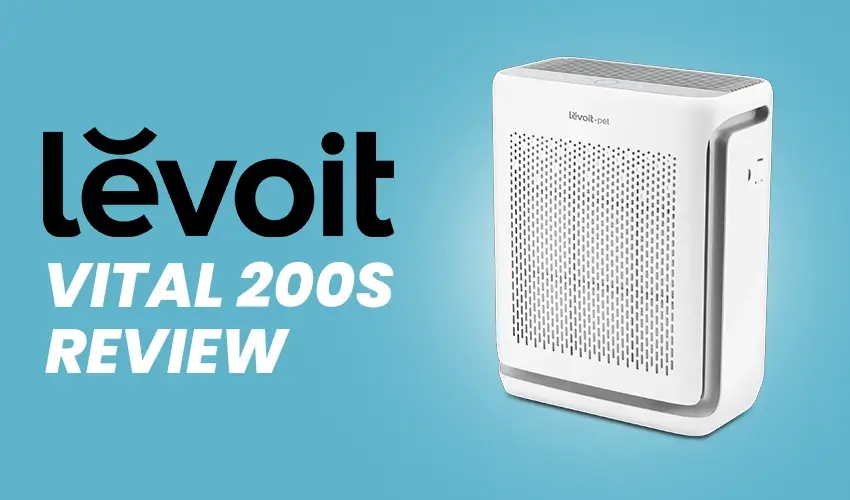
Levoit Vital 200S Review: Smart Air Purifier Rivals Premium Models
Clean air has evolved from a luxury to a necessity, directly impacting health, sleep, and well-being. As pollution and allergens increase, choosing the right air purifier can feel overwhelming amid countless options ranging from budget basics to premium models costing hundreds of dollars. The Levoit Vital 200S represents a new generation of smart air purifiers, bringing advanced features typically found in expensive units to an accessible price point. This device appeals to homeowners, apartment dwellers, and anyone seeking cleaner air without excessive spending.
True effectiveness goes beyond simply moving air. It requires quality filtration technology, intelligent operation, and environmental adaptability. Smart features have transformed air purifiers from basic fans with filters into responsive systems that automatically monitor, adjust, and optimize air quality, raising expectations for what mid-range purifiers should deliver.
How Modern Air Purifiers Work
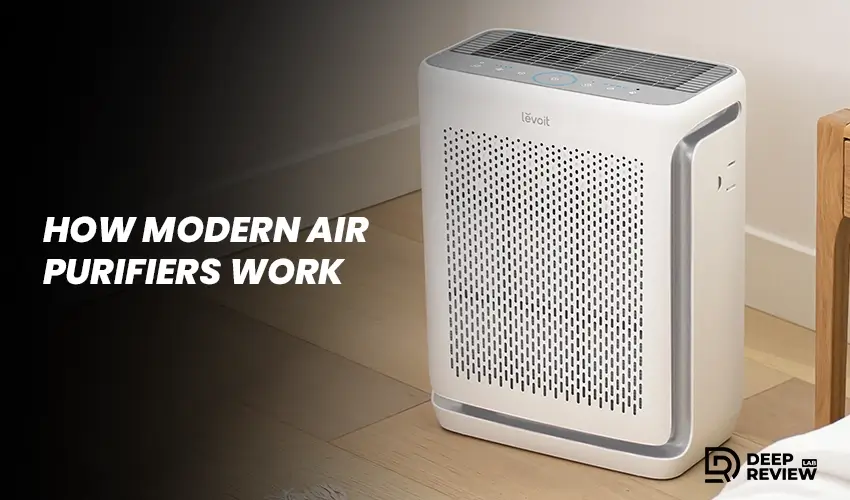
Air purifiers have transformed from simple fan-and-filter devices into sophisticated systems with multiple filtration stages, sensors, and smart connectivity. Modern units use a multi-stage approach where large particles like dust and pet hair get captured first, followed by progressively smaller contaminants.
HEPA filtration represents the gold standard, capturing 99.97 percent of particles as small as 0.3 microns, including pollen, mold spores, dust mites, bacteria, and many viruses. True HEPA filters meet verified performance standards, unlike lower-quality HEPA-type alternatives.
Activated carbon filtration complements HEPA by targeting gases, odors, and volatile organic compounds that off-gas from furniture, cleaning products, and building materials. Together, these filtration stages address both particulate and chemical air quality concerns, creating comprehensive purification that goes beyond simply removing visible particles.
The Smart Home Revolution in Air Quality
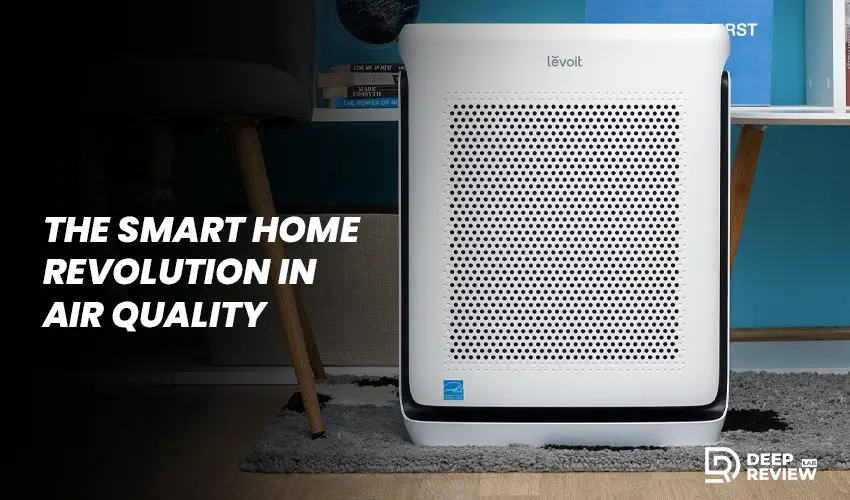
Smart home technology has naturally extended to air purifiers since air quality fluctuates throughout the day based on cooking, cleaning, outdoor conditions, and occupancy. Automation proves genuinely useful when you’re sleeping or away, making manual adjustment impractical.
Smartphone app connectivity has elevated user expectations beyond convenience. Checking air quality remotely or adjusting settings while traveling provides real value, offering insights into air quality patterns that help identify problems and inform decisions about ventilation and indoor activities.
Voice control through Amazon Alexa and Google Assistant adds practical hands-free operation, particularly valuable during cooking or for people with mobility limitations. Real-time monitoring with automatic sensor-based adjustments separates modern smart purifiers from basic models, working harder when needed and conserving energy when air is already clean, much like smart thermostats that adapt rather than run at fixed settings.
Performance Metrics That Actually Matter
Coverage area specifications can mislead without context. Manufacturers often cite maximum coverage based on minimal air changes per hour, but effective purification requires four to five complete air filtrations hourly. A purifier rated for 400 square feet might only effectively serve 200 square feet for optimal health benefits.
Clean Air Delivery Rate (CADR) provides standardized comparisons, measuring how quickly devices filter specific pollutants. Separate ratings exist for smoke, dust, and pollen since these particles behave differently. Higher CADR numbers indicate faster cleaning and better real-world performance.
Noise levels prove crucial for bedroom use and quiet activities. The key is finding purifiers that remain adequately quiet on automatic or sleep modes while maintaining effective filtration. Decibel ratings help but don’t capture complete sound quality information.
Energy efficiency matters significantly since effective purifiers run continuously. A device using 50 watts versus 20 watts creates noticeable annual electricity cost differences. Energy Star certification indicates meeting efficiency standards, but checking actual wattage across settings provides clearer operating cost pictures.
Comparing Budget and Premium Air Purifiers
Air purifier prices range from under one hundred to over a thousand dollars, reflecting variations in filtration quality, coverage area, build materials, smart features, and brand positioning. Understanding these price drivers helps identify which features justify extra cost versus mere premium branding.
Premium models emphasize medical-grade filtration and commercial-quality construction with thicker filters, powerful motors, and durable materials for continuous operation. While worthwhile for severe allergies or respiratory conditions, many mid-range options now incorporate similar filtration technology in more affordable packages.
Filter replacement costs critically impact long-term value. A cheaper purifier with expensive proprietary filters may cost more over three years than a pricier unit with affordable replacements. Some manufacturers use readily available standard filters while others lock you into specific, often overpriced replacements.
Smart features create additional pricing tiers, adding fifty to one hundred dollars for basic connectivity and more for advanced features like detailed air quality history, home automation integration, and sophisticated scheduling. The key question is whether these features provide sufficient value for your needs or if simpler manual controls suffice.
What Sets Certain Models Apart
Some air purifiers earn recognition through consistent performance in independent testing and real-world use rather than marketing. Build quality, filtration effectiveness, and thoughtful design details distinguish exceptional models from merely adequate ones across all price ranges.
Filter accessibility significantly impacts long-term satisfaction. Models requiring tools or complicated disassembly discourage proper maintenance, while the best designs offer quick access through magnetic panels or simple clips, transforming filter changes from frustrating ordeals into five-minute tasks.
Sensor accuracy varies widely. Inexpensive sensors detect only gross air quality changes, while quality sensors distinguish particle sizes and provide reliable readings for appropriate automatic adjustments. This accuracy determines whether purifiers respond properly to conditions or run unnecessarily on high settings.
Durability emerges over time. Quality manufacturers use motors designed for continuous multi-year operation, while cost-cutting alternatives may work initially but degrade quickly. Long-term owner reviews often reveal durability issues invisible in specifications or short-term testing.
The Middle Ground Sweet Spot
A fascinating market development is the emergence of air purifiers delivering premium performance without premium pricing. These models target informed consumers who understand effectiveness fundamentals and reject paying extra for brand prestige or unnecessary features, proving smart engineering and efficient manufacturing can democratize clean air technology.
Companies achieving this balance prioritize core performance while eliminating cost-inflating extras. They use proven filtration technology instead of proprietary marketing gimmicks, emphasizing useful smart features over flashy interfaces. Results are devices performing comparably to models costing two or three times more.
This approach demands careful component selection, evaluating every part, motors, sensors, housing materials, for optimal cost-performance combinations. Manufacturing efficiency enables lower prices without quality sacrifices, while direct-to-consumer sales models bypass retail markups for additional buyer savings.
Customer feedback loops enable rapid iteration. Rather than yearly aesthetic updates, manufacturers release improvements based on actual user experience, creating products refined through real-world testing instead of marketing brainstorming. Results feel practical rather than attempts to justify previous shortcomings.
Deep Dive Into Filtration Stages
Multi-stage filtration strategically captures different pollutants at appropriate stages, extending filter life while maintaining high efficiency across particle sizes and types. It’s not about quantity but strategic placement. Pre-filters handle large particles like pet hair, dust, and lint, preventing subsequent stages from premature clogging. Most are washable and reusable, providing economical protection for expensive downstream filters.
HEPA filters represent the heart of particulate filtration, creating a dense maze that traps microscopic particles through interception, impaction, and diffusion. Quality HEPA filters maintain consistent performance throughout their lifespan rather than gradually degrading, with differences between genuine and cheaper alternatives becoming apparent through long-term testing.
Activated carbon filtration addresses chemical air quality with millions of tiny pores adsorbing gases and odors at the molecular level. Carbon amount and quality vary significantly between models. Thicker filters with more material perform better and last longer before saturation reduces effectiveness, with some advanced models using specially treated carbon targeting specific chemicals.
Additional stages like ionizers or UV-C lights have proponents and critics. Ionizers help particles clump for easier filtration but may produce trace ozone. UV-C lights neutralize pathogens but only affect particles passing through the light beam. Meaningful benefits depend largely on implementation quality.
Real-World Performance Considerations
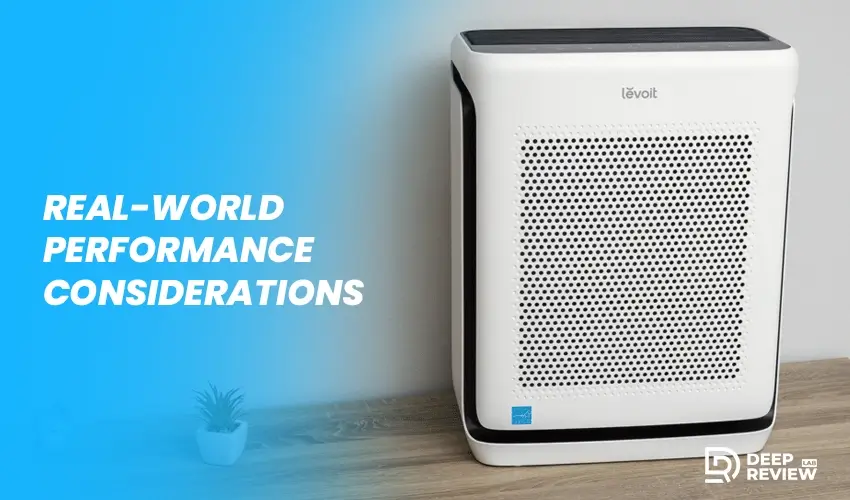
Laboratory testing provides controlled comparisons, but real-world performance depends on room layout, furniture placement, ventilation, and pollution sources. Understanding these variables helps set realistic expectations and optimize placement.
Air circulation patterns determine cleaning efficiency. Obstacles create dead zones where contaminated air lingers. Placing purifiers with clear surrounding space, distanced from walls and furniture, enables better air intake and distribution. Corner placement may look tidy but typically reduces effectiveness.
Positioning height influences performance significantly. Since dust settles toward floors while cooking fumes rise, mid-height placement often provides optimal balance, though practical considerations like floor space and keeping units away from children or pets matter.
Continuous operation versus intermittent use significantly impacts results. Unlike vacuum cleaners, air purifiers work best running continuously on lower settings to maintain consistent air quality rather than fixing problems after development. This approach differs from typical appliance use instincts.
Seasonal variations affect performance and requirements. Spring brings pollen, winter means closed windows trapping indoor pollutants, and summer may involve wildfire smoke or humidity promoting mold. Understanding these patterns helps adjust settings or maintenance schedules for changing year-round needs.
Smart Features That Add Genuine Value
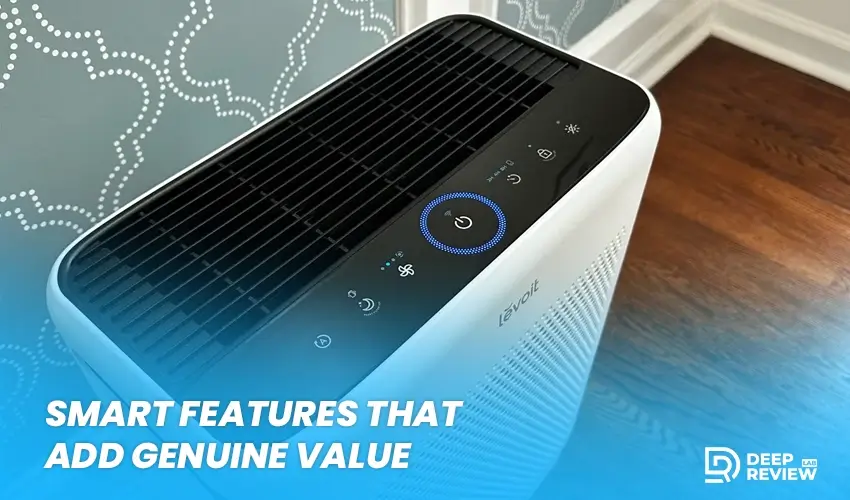
Not all smart features justify their cost or complexity, some serve mainly as marketing differentiators. However, certain connected capabilities genuinely enhance performance and user experience, making it important to distinguish between gimmicks and useful features.
Automatic mode responding to detected air quality represents one of the most valuable features, allowing purifiers to increase speed when sensors detect elevated particles and dial back when air is clean. This optimizes performance and energy use without manual adjustment, though quality depends on sensor accuracy and control algorithms.
Scheduling capabilities enable programming different settings for various times, higher speeds during cooking, quieter operation at night, or boosted purification before arriving home. Good systems offer flexibility without complexity.
Filter life tracking eliminates replacement timing guesswork. While simple systems count operation hours, sophisticated versions factor in speed settings and air quality conditions. The best implementations notify you through apps with direct filter purchase links.
Air quality history provides environmental insights. Pollution spike patterns might reveal HVAC problems, identify when opening windows worsens indoor air, or show activity impacts. This data transforms purifiers from simple appliances into environmental monitoring systems.
Design and Build Quality Analysis
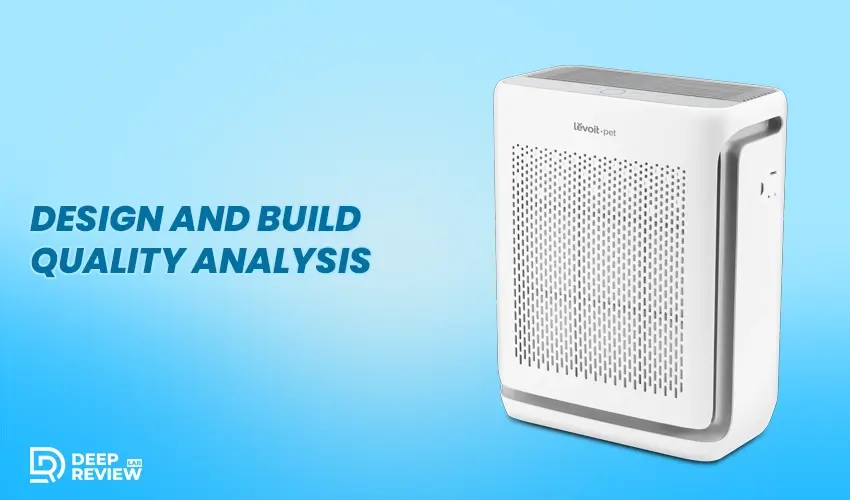
Construction quality affects both longevity and daily user experience. Materials, assembly precision, and thoughtful design details distinguish well-engineered products from corner-cutting alternatives, though these aspects become evident only through extended use.
Housing materials range from lightweight plastics to substantial composites. Thicker, higher-quality plastics resist cracking and discoloration over time while dampening motor and airflow noise more effectively. Differences become noticeable when comparing budget models to better-built alternatives, even with similar basic functionality.
Motor quality determines performance and lifespan. Premium motors run quietly, maintain consistent speeds, and withstand years of continuous operation. Cheaper motors may work initially but can develop bearing noise, vibration, or reduced output. Since motor replacement typically costs more than the purifier’s worth, motor quality represents a critical long-term consideration.
Control interfaces should feel responsive and intuitive. Touch controls look sleek but vary in responsiveness and durability, while physical buttons provide tactile feedback and rarely fail though they collect dust. Displays should be readable yet dimmable or completely off for bedroom use, as bright status lights disrupt sleep.
Portability features matter for multi-room use, built-in handles, reasonable weight, and stable bases enable practical transportation. However, for single-location use, additional weight that dampens vibration and noise may be preferable.
Examining the Levoit Vital 200S Smart Air Purifier
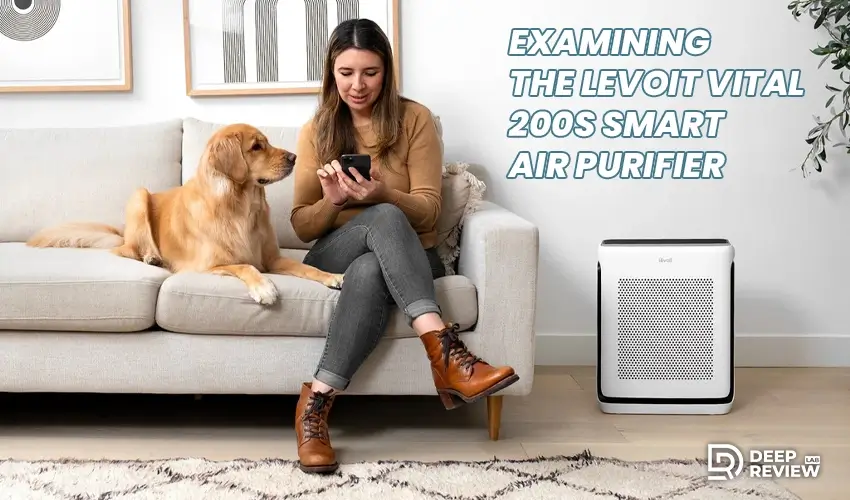
When evaluating mid-range air purifiers challenging premium models, the Levoit Vital 200S smart air purifier demonstrates how thoughtful engineering delivers impressive performance without luxury pricing. This model has gained attention for balancing advanced features with practical design.
The three-stage filtration system includes a washable pre-filter, true HEPA filter, and activated carbon layer, addressing the full spectrum of indoor air pollutants from large particles to microscopic allergens and chemical odors. The implementation feels robust with filter quality matching significantly more expensive units.
Smart connectivity through the VeSync app enables remote control and monitoring with an intuitive interface that avoids overwhelming complexity. Real-time air quality data displays clearly, scheduling features allow customization, and Alexa/Google Assistant voice control adds optional convenience.
Coverage specifications cite effectiveness for rooms up to 380 square feet with five air changes per hour, realistic ratings based on proper air cycling rather than inflated claims. This capacity suits master bedrooms, home offices, or living rooms. CADR ratings of 195 for smoke, 190 for dust, and 190 for pollen confirm strong performance across particle types.
The Levoit Vital 200S smart true HEPA air purifier operates quietly enough for bedroom use. Sleep mode drops to just 26 decibels while maintaining effective circulation. Automatic mode rarely needs maximum speed in normal conditions, making continuous operation practical.
Maintenance and Filter Replacement Realities
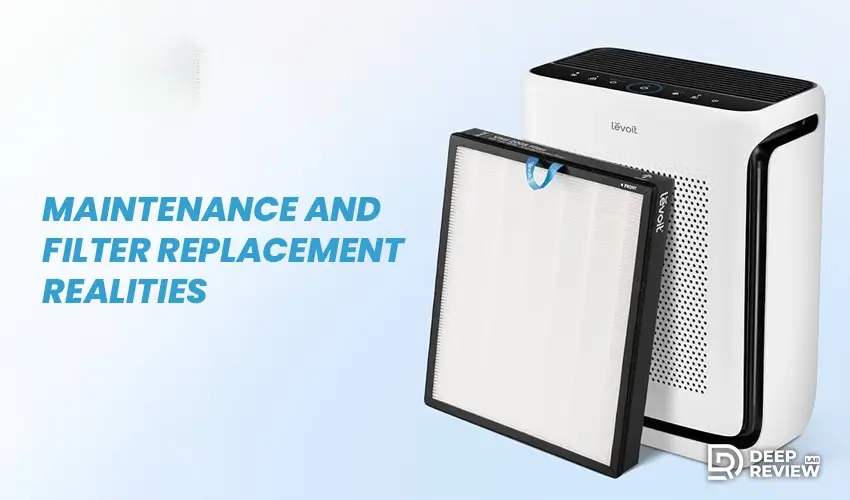
True ownership costs extend beyond purchase price. Filter replacements, energy consumption, and cleaning requirements accumulate over the device’s lifetime, making understanding these ongoing costs essential for informed decisions and optimal long-term performance.
The Levoit Vital 200S filter replacement schedule follows industry standards, true HEPA and activated carbon filters need replacement every six to eight months depending on usage. The washable pre-filter extends main filter life by capturing large particles first. Bi-weekly pre-filter cleaning takes minutes and significantly impacts overall filter longevity.
Accessing the Levoit Vital 200S replacement filter compartment requires no tools and takes seconds. The front panel releases easily for simple filter swapping without complicated mechanisms, encouraging proper maintenance rather than postponement. App and device indicators remind you when replacement is due.
Filter costs represent the most significant ongoing expense. Genuine replacement filters price reasonably compared to premium brands, making long-term ownership affordable. Third-party filters may save money but often compromise filtration quality or fit improperly, making the modest genuine filter premium worthwhile.
Energy consumption remains low across all speeds. Continuous operation adds only a few dollars monthly to electricity bills due to efficient motor design and aerodynamic optimization. Energy Star certification verifies these efficiency claims.
Regular cleaning prevents efficiency-reducing dust buildup. Weekly exterior wiping and monthly sensor cleaning maintain optimal function, with sensors particularly benefiting from gentle cleaning to maintain reading accuracy.
Comparing Performance Against Premium Options
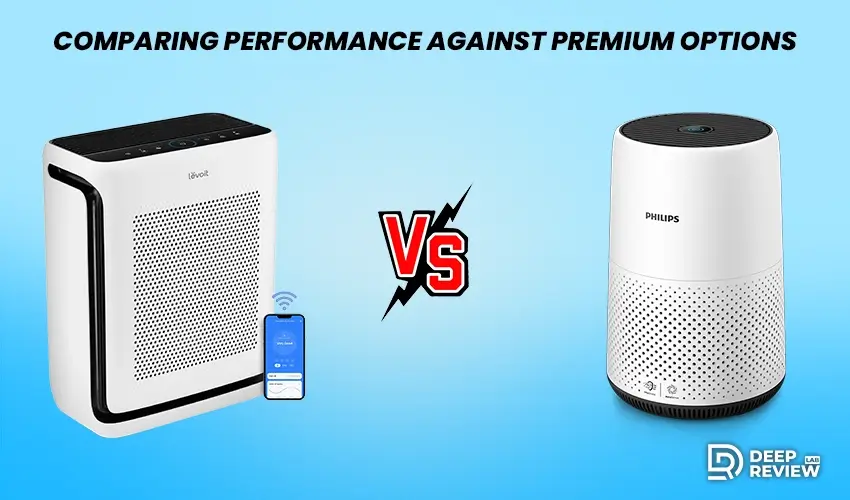
Mid-range and premium air purifiers are closer in performance than ever, thanks to advances in manufacturing and component quality. Premium models may offer medical-grade certifications, metal housings, and commercial-grade motors, but for typical home use, these features often provide limited practical benefit.
Filtration effectiveness is similar across price points, with true HEPA filters and activated carbon handling most particles and odors; differences lie in filter thickness, carbon quantity, and replacement intervals. Build quality may favor premium models, yet high-quality mid-range purifiers often deliver years of reliable service.
Smart features frequently favor mid-range options, as newer brands prioritize app connectivity, while some premium brands lag in integrating these functions. Detailed reviews, like the IQAir HealthPro Plus analysis, help buyers assess whether luxury features are worth the extra cost. Ultimately, choosing between mid-range and premium depends on which features you actually need for your home environment.
Understanding Air Quality Metrics and Sensors
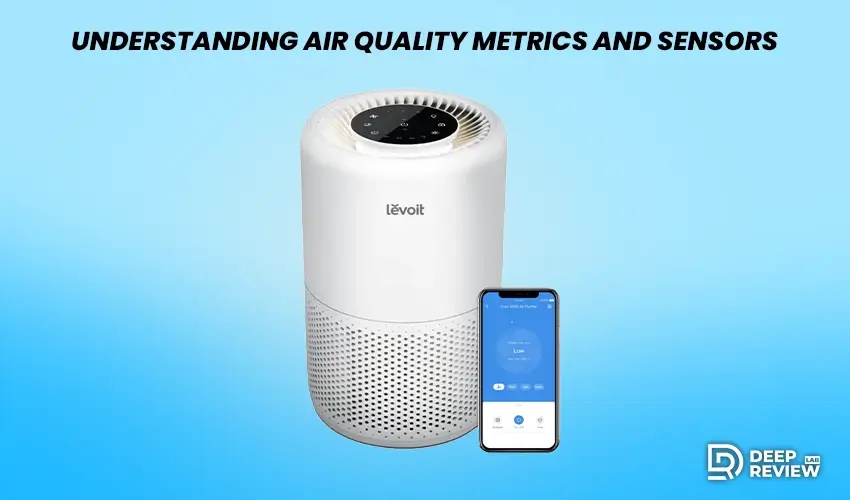
Air quality monitoring has become more sophisticated and accessible with advances in sensor technology. Modern air purifiers don’t just move air through filters; they measure what they’re removing and adjust accordingly. Understanding these metrics helps you evaluate your environment and assess purifier performance more objectively than subjective impressions of air freshness.
Particulate matter sensors detect airborne particles and typically report results using PM2.5 measurements. This refers to particles 2.5 microns or smaller, which penetrate deep into lungs and pose the greatest health risks. Lower PM2.5 readings indicate cleaner air. Outdoor air quality often exceeds 50 during pollution events, while indoor air should ideally stay below 12 for good health. Seeing these numbers change as your purifier operates provides concrete feedback about its effectiveness.
Sensor accuracy varies between air purifiers. Laser-based sensors provide more precise readings than simpler optical sensors but cost more to implement. The levoit air purifier vital 200s uses quality sensors that align closely with reference monitors in testing, providing reliable data rather than vague approximations. This accuracy matters because it determines whether automatic mode adjustments reflect actual air quality changes or respond to sensor drift.
Color-coded air quality indicators simplify understanding complex data. Many purifiers display green for good air quality, yellow for moderate, orange for poor, and red for very poor conditions. These visual cues let you assess your environment at a glance without studying numerical readings. The ring light on some models provides ambient feedback that’s informative without being intrusive.
Calibration and sensor maintenance affect long-term accuracy. Dust accumulation on sensors can cause false readings over time. Quality purifiers account for this with accessible sensors that users can clean periodically. Some models even provide calibration reminders or instructions to maintain measurement accuracy throughout the device’s lifetime.
Noise Levels and Sleep Mode Performance
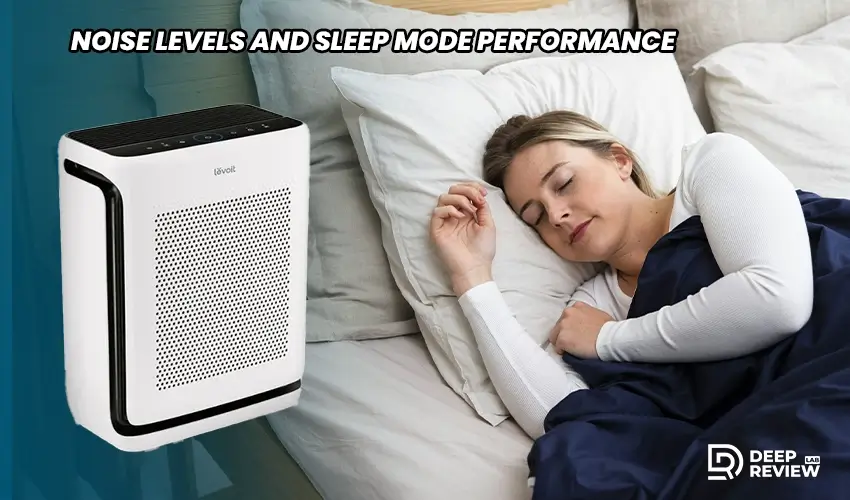
Noise is a common concern with air purifiers, as moving large volumes of air inevitably generates sound. What matters isn’t eliminating noise entirely but keeping it tolerable for your intended space, bedrooms require quieter operation than living rooms. Decibel ratings provide a rough guide, but the sound’s frequency and character are equally important; a low-frequency motor hum is often less intrusive than a high-pitched fan whine at the same decibel level.
Sleep modes are critical for bedroom use, reducing fan speed to minimize noise while maintaining effective filtration. Reviews, such as those for the Levoit Vital 200S, show that some models achieve very quiet operation, 26 decibels in sleep mode, quieter than rustling leaves, and avoid sudden speed changes that could disturb light sleepers. Fan speed controls also affect noise management: more granular settings allow better balance between quietness and performance, and continuous adjustment offers even finer control for those who want it.
Smart App Features and Connectivity
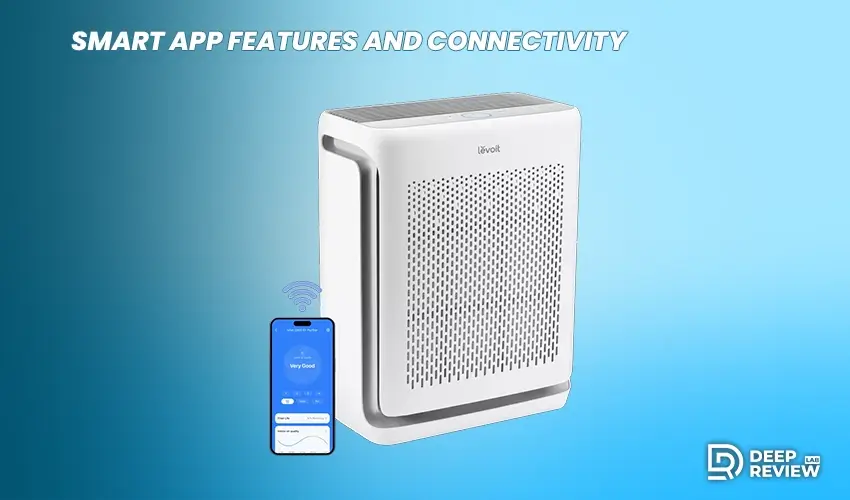
The smartphone app experience plays a crucial role in satisfaction with smart air purifiers. A well-designed app enhances convenience, provides insights, and prevents frustration, while a poorly implemented one can render a purifier effectively basic. Initial setup is critical: simple, reliable pairing with clear instructions ensures a smooth first impression, while complex or error-prone setups create lasting negative experiences.
Apps like VeSync for Levoit purifiers balance simplicity and capability, with prominent air quality displays, accessible speed control, and intuitive scheduling. Remote monitoring allows users to check air quality while away, which is useful for parents, pet owners, or anyone managing air quality from a distance. Scheduling features optimize performance and efficiency by automating higher speeds during cooking, quieter sleep modes, or energy-saving operation when the home is empty.
Filter life tracking within the app removes guesswork, offering visual indicators, notifications, and sometimes direct links for replacement filters, preventing declines in performance. Historical air quality data reveals patterns and improvements over time, helping users understand their environment and validate the effectiveness of changes. Overall, app quality can be as important as hardware performance in delivering a truly “smart” air purifier experience.
Room Size and Coverage Considerations
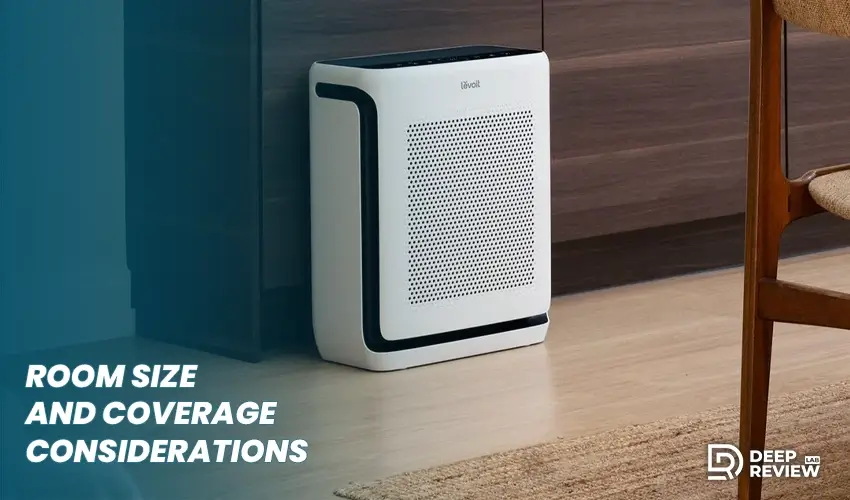
Matching Air Purifier Capacity to Room Size is crucial for satisfaction and effective air cleaning. An undersized purifier must run constantly at high speeds, generating more noise while still failing to filter the air thoroughly. An oversized purifier costs more than necessary, but it can clean the air faster and operate more quietly.
Calculating room size requires measuring length, width, and ceiling height, since air volume directly affects performance. For example, a 300-square-foot room with ten-foot ceilings contains 25% more air than the same room with standard eight-foot ceilings, impacting how well a purifier rated for that square footage performs.
Air changes per hour (ACH) indicate how frequently the purifier cycles the room’s air. Five ACH is generally sufficient for maintaining good air quality and allergy relief, while six or more may be beneficial during high pollution events or for severe respiratory conditions. Keep in mind that some manufacturers report coverage based on only two ACH, which can exaggerate real-world effectiveness.
For example, a purifier rated for 380 square feet assumes standard ceilings and five ACH, making it ideal for bedrooms, living rooms, or home offices in smaller homes. Large open-plan areas or rooms with cathedral ceilings may require additional units. In many cases, using multiple purifiers in different rooms ensures better coverage than relying on a single oversized unit, since closed doors and floors limit airflow between spaces.
Dealing with Specific Air Quality Challenges
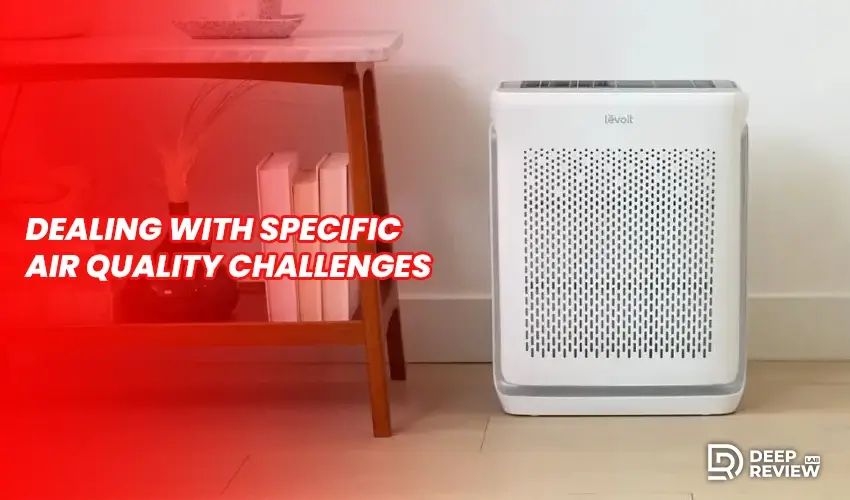
Different air quality concerns require tailored approaches. While any quality purifier improves general air cleanliness, specific problems benefit from targeted features or operation. Pet owners face constant challenges with dander and hair; pre-filters capture fur before it clogs HEPA filters, and running the purifier continuously prevents accumulation. Higher air change rates help, though this may increase noise or require a slightly more powerful unit.
Cooking odors and smoke require strong activated carbon filtration. Boosting fan speed during and after cooking, and positioning the purifier near the kitchen without interfering with activities, helps capture byproducts before they spread. Allergy sufferers benefit during peak pollen seasons by running purifiers on higher settings, closing windows, and adjusting operation based on local pollen forecasts. Wildfire smoke is particularly challenging; fine particles and chemical compounds require HEPA and carbon filtration at maximum speed, and even then, indoor particle counts may remain elevated.
Mold and mildew concerns need attention to humidity alongside filtration. Purifiers capture airborne spores but don’t remove moisture, so pairing with a dehumidifier may be necessary. Strategically positioning the purifier to improve airflow in problem areas helps prevent stagnant conditions where mold thrives, addressing both symptoms and underlying causes.
Energy Efficiency and Environmental Impact
Running an air purifier continuously makes energy consumption an important consideration. Understanding actual power usage helps estimate operating costs and environmental impact. Energy-efficient designs reduce electricity bills and carbon footprints, making them preferable when performance is comparable. Power consumption varies by fan speed: sleep mode may use around 10 watts, while maximum speed can exceed 50 watts. Typical daily use is usually far below peak consumption, for this model, average usage might be 0.5 kilowatt-hours per day, costing roughly four to five dollars per month.
Energy Star certification ensures purifiers meet verified efficiency standards, balancing adequate air cleaning with lower energy use. This provides reassurance that efficiency claims are not just marketing. Standby power also matters for smart purifiers; even when idle, network connections and sensors consume energy. Well-designed models minimize this to a watt or two, while poorly optimized units can waste five to ten watts, adding noticeable cost over a year.
Environmental impact extends beyond electricity. HEPA and carbon filters are difficult to recycle due to accumulated pollutants, often ending up in landfills. Manufacturing also contributes to environmental costs through resource use and energy during production. Some companies reduce impact by using recycled materials and minimizing packaging waste. While health benefits usually outweigh these concerns, environmentally conscious users may weigh these factors when choosing between similar purifiers.
Pricing and Value Assessment
Understanding Total Ownership Costs is key to evaluating whether a purifier delivers good value. The initial purchase price is important, but ongoing costs and performance define true worth. Comparing total ownership, including filter replacements, energy use, and features, reveals which models provide the best return on investment. This model typically falls in the mid-range air purifier category, balancing features, build quality, and performance. Sales and promotions occasionally reduce the price, though even at full retail, it offers strong value compared to similarly capable alternatives.
Replacement filters are competitively priced, lasting six to eight months under normal use. Over a typical three-year period, the cost advantage compared to premium brands requiring more frequent or expensive filter replacements can reach hundreds of dollars. Energy costs are another factor. Running the purifier continuously averages around four to five dollars per month, totaling roughly 150–180 dollars over three years. Higher-power models may cost 50–100 dollars more over the same period, so energy-efficient designs contribute meaningfully to total value.
When combining purchase price, filters, and energy, this unit typically costs much less than premium alternatives while delivering comparable air cleaning performance. Smart features, build quality, and user experience remain strong, making it a practical choice for informed buyers. Additional benefits, like reduced allergy symptoms, improved sleep, and fewer respiratory issues, represent real, though less quantifiable, value beyond direct expenses.
Warranty coverage further enhances value. The standard warranty protects against defects and premature failures, aligning with industry norms for mid-range purifiers. This provides reassurance without inflating costs, reflecting the device’s design for residential use rather than commercial or heavy-duty environments.
Long-Term Ownership Experience
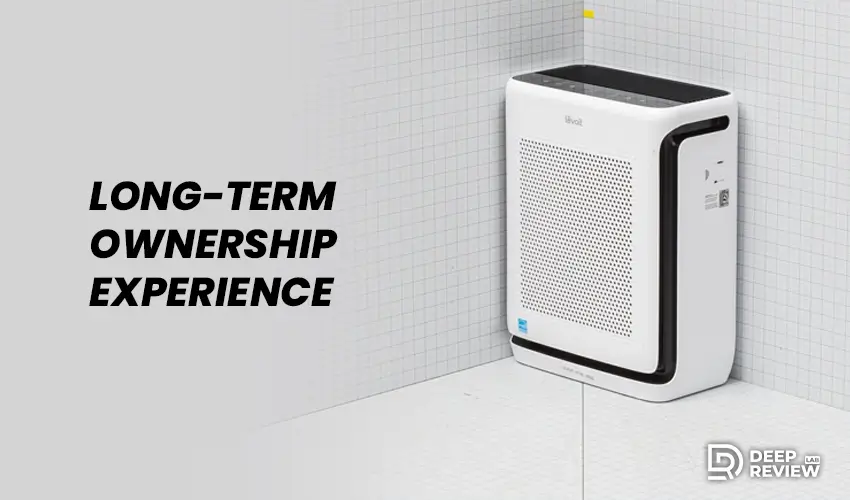
The relationship with your air purifier evolves over months and years. Initial excitement about improved air quality gives way to daily routine, and long-term satisfaction depends on performance, maintenance, and reliability. Quality motors designed for continuous operation maintain consistent output over years, while lesser motors may develop noise, vibration, or reduced performance within months. Since motor replacement is rarely economical, motor quality largely determines device lifespan.
Sensor accuracy also affects long-term performance. Dust accumulation or sensor drift can cause false readings, triggering unnecessary automatic adjustments. Models that allow easy sensor cleaning maintain accuracy longer, though some sensors degrade naturally over time, either running the purifier excessively or underestimating pollution. Regular maintenance and monitoring help ensure consistent performance.
Customer support and software updates further influence ownership experience. Responsive support and a solid warranty provide peace of mind, while periodic software updates for connected purifiers can improve functionality or fix bugs. Conversely, abandoned products leave users without solutions or enhancements. Online communities and user forums are valuable for troubleshooting, sharing tips, and learning from collective experience, helping owners maintain optimal operation and maximize satisfaction.
Making an Informed Purchase Decision
Choosing the Right Air Purifier requires balancing factors like room size, pollutant concerns, noise sensitivity, budget, and aesthetics. A systematic approach, evaluating needs and comparing options, yields better results than impulse purchases or relying solely on marketing claims. Start by measuring the room where the purifier will primarily operate, including ceiling height, since higher ceilings increase air volume.
If you plan to move the unit between rooms, base your choice on the largest space to ensure adequate coverage. Identify your main air quality concerns to prioritize features: severe allergies require high-efficiency HEPA filtration and higher air changes per hour (ACH), cooking odors demand strong activated carbon, and nighttime use favors quiet sleep mode operation. Matching purifier strengths to specific challenges ensures satisfaction. Budget should consider both upfront costs and ongoing expenses, including replacement filters and electricity.
Calculating three-year total ownership helps compare affordability accurately. Reading multiple reviews, professional testing and user experiences, provides balanced insight, while patterns across many reviews reveal consistent performance. Trial periods or return policies allow hands-on testing of noise levels, effectiveness, and smart features, helping confirm whether the purifier suits your home environment.
Conclusion
Indoor air quality significantly impacts health and comfort in ways that effective purification can meaningfully address. The right air purifier reduces allergens, minimizes odors, and creates a more pleasant living environment without requiring compromises between performance and affordability. Smart features add genuine convenience when implemented thoughtfully, transforming purifiers into responsive systems that adapt to changing conditions.
The gap between mid-range and premium air purifiers has narrowed as manufacturing efficiency and technology democratization have made quality filtration more accessible. Models delivering advanced features at reasonable prices prove that effective air purification no longer requires luxury budgets. Understanding your specific needs, evaluating total ownership costs, and focusing on proven filtration technology leads to better decisions than relying on brand prestige or marketing claims alone.