


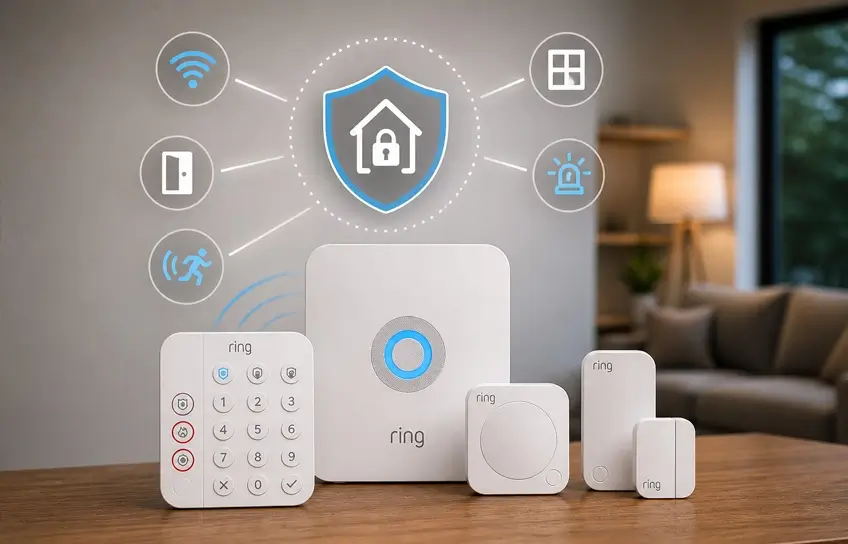
Home security has never been more accessible, and the ring alarm security kit sits right at the center of that conversation in 2026. It is affordable, it installs in under 30 minutes, and it works with a wide range of cameras and sensors that you can mix and match to suit your home. But affordable and accessible do not automatically mean perfect, and after digging into what real users and independent testers have found, there is a more nuanced story worth telling.
This post is not here to sell you on Ring. It is here to give you a clear-eyed look at what the system does well, where it falls short, and whether it genuinely makes sense for your situation in 2026. Whether you are a first-time buyer or someone considering an upgrade, the goal is simple: give you the information you need to make a smart decision.
What Exactly Is the Ring Alarm System?

Ring started as a doorbell camera company and gradually grew into a full home security ecosystem. Today, the ring alarm security system covers everything from basic sensor kits to larger multi-piece setups designed for bigger homes. At its core, it uses a base station as the brain of everything. That base station connects to your home Wi-Fi, communicates with sensors over a Z-Wave wireless network, and sounds a loud built-in siren when something goes wrong.
When you look at the ring alarm security kit price, kits start at $199.99 for a five-piece setup and scale up to around $329.99 for a 14-piece configuration that can cover a larger property. Every kit includes the base station, a keypad, contact sensors for doors and windows, a motion detector, and a range extender. The range extender is a practical touch for bigger homes where the Z-Wave signal might not reach every corner on its own.
One thing worth knowing is that Ring launched a second generation of the system back in 2020, and that is still the current version in 2026. The second-gen brought a more compact keypad, redesigned sensors with easier installation, and LED indicator lights that confirm when a sensor has successfully paired. These are small improvements, but they make the day-to-day experience noticeably smoother than the original.
Ring Alarm Security Kit – Full Specifications
| Feature | Details |
| System Type | DIY Wireless Home Security |
| Generation | 2nd Gen (released 2020, current as of 2026) |
| Kit Options | 5-piece, 8-piece, 10-piece, 14-piece |
| Starting Price | $199.99 (5-piece kit) |
| Base Station Siren | 104 dB built-in siren |
| Connectivity | Wi-Fi (primary), Z-Wave sensors, cellular backup |
| Wireless Protocol | Z-Wave (sensors), Dual-band 802.11n Wi-Fi, Zigbee, Bluetooth 4.1, LTE |
| Backup Power | Internal battery – up to 24 hours |
| Installation Type | DIY (professional via OnTech, from $99.99) |
| Average Setup Time | 20 to 30 minutes |
| Professional Monitoring | Ring AI Pro – $19.99/month or $199.99/year |
| Self-Monitoring | Available free via Ring app |
| Monitoring Response | 30-second delay before contacting authorities |
| Smart Home Integration | Amazon Alexa only (no Google Assistant or HomeKit) |
| Third-Party Compatibility | Yale, Schlage, Kwikset locks; GE, Leviton switches; First Alert; Honeywell |
| App Compatibility | iOS and Android |
| Camera Integration | Full Ring camera and doorbell lineup |
| Contract Required | No – month-to-month monitoring |
| Warranty | 1 year (extended with eligible subscription plans) |
| Return Policy | 30-day return window from Ring.com |
| Max Devices per System | Up to 100 Ring devices |
| Coverage Area | 2,000+ sq. ft. (expandable with range extenders) |
Setup and Installation

If there is one area where Ring consistently earns praise, it is installation. The setup process is guided entirely through the Ring app, which walks you through adding each device one at a time with clear instructions and short video tutorials. Most people complete a full eight-piece setup in around 30 minutes, and you do not need any special tools or technical knowledge to get there.
The sensors use strong adhesive backing, which means no drilling into walls unless you choose to. That makes Ring a particularly good option for renters or anyone who does not want to make permanent changes to their home. The contact sensors are slightly more compact in the second generation, and unlike the original sensors that required precise notch alignment, the newer ones give you more flexibility in how you position them.
One Setup Tip That Saves Headaches
There is one detail in the installation process that catches a surprising number of people off guard. Before sticking any sensor to a door frame or window trim, you need to clean the surface thoroughly. The adhesive on the sensors is strong, but dust and grime will prevent it from bonding properly. Skipping this step is one of the most common reasons sensors fall off in the middle of the night and trigger a false alarm at midnight. It sounds minor, but it is worth taking seriously.
Another practical note: during the first week of use, Ring puts new subscribers into a practice mode that lasts seven days. This gives you time to learn the system before the professional monitoring team is fully active behind it. It is a considerate feature, though some users find seven days longer than they actually need.
Camera Ecosystem

One of the biggest reasons people choose Ring over competing alarm systems is the camera lineup. Ring offers a wide selection of indoor and outdoor cameras that all connect to the same app as the alarm, which means you manage everything in one place. If a sensor triggers while you are away, you can switch directly to a live camera feed within seconds to see what is actually happening.
The ring indoor cam plus is a solid option for keeping an eye on interior spaces like living rooms, hallways, or entryways. It delivers clear footage and integrates naturally with the alarm system, so when the alarm is armed and a sensor detects unexpected activity, the camera begins recording automatically. That kind of seamless connection between the alarm and the cameras is genuinely useful and not something every competing system handles as smoothly.
On the exterior side of things, the ring doorbell camera has become one of the most recognizable products in the entire home security category. It covers your front entrance with live video, two-way audio, and motion-triggered recording, and it connects directly into the Ring alarm ecosystem. If someone approaches your door while the system is armed, you get an alert, a camera recording, and the ability to speak to whoever is outside, all from your phone.
For broader outdoor coverage, the ring outdoor cam plus handles side yards, back doors, driveways, and garage areas well. Battery-powered options make placement flexible, and the picture quality in both day and night conditions is reliable for a mid-range camera. If your property has larger open areas that need coverage, the ring spotlight cam pro takes things a step further with built-in spotlights that activate on motion, making it a strong deterrent for anyone approaching after dark.
Professional Monitoring

Ring’s professional monitoring plan, currently called Ring AI Pro, costs $19.99 per month or $199.99 per year. That is significantly cheaper than many competing services, some of which charge $40 to $50 per month for similar coverage. For budget-conscious homeowners, that price point is a genuine advantage.
With the plan active, a monitoring center watches your system around the clock. If an alarm triggers, they will contact you, verify whether it is a real emergency, and dispatch police or other first responders if needed. The plan also includes cellular backup, which keeps the system connected even if your home internet goes down, and extended warranty coverage for eligible devices.
What to Know About Response Times
The monitoring service does come with a notable caveat. Ring implements a 30-second delay before contacting authorities after an alarm triggers. The intent is to reduce false alarms, which account for the vast majority of alarm activations industry-wide. In practice, though, that 30-second window can feel significant during a genuine emergency. It is not a dealbreaker, but it is something to factor into your decision.
If professional monitoring is not something you want to pay for, Ring does allow self-monitoring at no monthly cost. You receive alerts directly to your phone, and you are responsible for calling emergency services yourself if something happens. It is a reasonable option for people who are comfortable staying hands-on with their security, though it does shift a meaningful amount of responsibility onto you.
Where Ring Falls Short

No system is without its weaknesses, and Ring is no exception. Nearly every serious ring alarm review points to the same issue: the motion sensors have received consistent criticism for a relatively narrow field of vision, which creates blind spots on either side of the sensor. They also tend to be less responsive than expected, particularly in high-detection mode. For a security product, that is not a minor concern.
The base station announces every arming and disarming event out loud, including telling you when sensors require a bypass. There is no silent mode for this, which can be disruptive in a household with young children or light sleepers. A quiet arming option would go a long way toward improving the day-to-day experience.
Ring also has a history of privacy-related concerns stemming from its relationships with law enforcement and its Neighbors app. The company has made meaningful changes to its privacy controls in recent years, including requiring two-factor authentication for camera devices and giving users more transparent access to their data settings. Whether those changes are sufficient is a personal judgment call, but it is a part of the Ring story that deserves honest mention.
Is Ring Still Worth It in 2026?
For most households, especially those who want a straightforward DIY system without a long-term contract, Ring continues to offer real value. The equipment is reasonably priced, the installation is genuinely approachable, and the camera ecosystem is one of the better-integrated options available at this price point. If you already own a Ring doorbell or camera, expanding into the full alarm system is a natural and cost-effective step.
Where Ring struggles is in delivering the kind of deep home automation or advanced sensor performance that more premium systems offer. If you read any thorough ring home security review, you will notice that smart home integration beyond Amazon Alexa and motion detection accuracy are the two areas where most critics land their sharpest observations. Systems like SimpliSafe or Frontpoint are worth exploring if those factors weigh heavily in your decision.
Pros and Cons
Pros
- Quick DIY setup – under 30 minutes
- No long-term contracts required
- Professional monitoring from $19.99/month
- Loud 104 dB built-in siren with cellular backup
- All devices managed in one app
Cons
- Video recording requires a paid subscription
- No Google Assistant or Apple HomeKit support
- 30-second delay before authorities are contacted
- Privacy concerns with the Neighbors app
Bottom Line
Ring is a capable, affordable, and easy-to-use home security system that delivers genuine peace of mind for most households. Its camera lineup is a standout, its monitoring plan is among the most affordable in the industry, and the DIY installation experience is hard to beat. Just go in with clear expectations about the motion sensor limitations, the monitoring response delay, and the privacy considerations, and Ring will serve you well.
Home security is ultimately about finding the right fit for your specific situation, your home size, your budget, and your comfort level with technology. Ring covers a lot of ground for a very reasonable cost, and in 2026, it remains a smart starting point for most people who are new to home security or looking for a reliable upgrade without a complicated setup process.
