


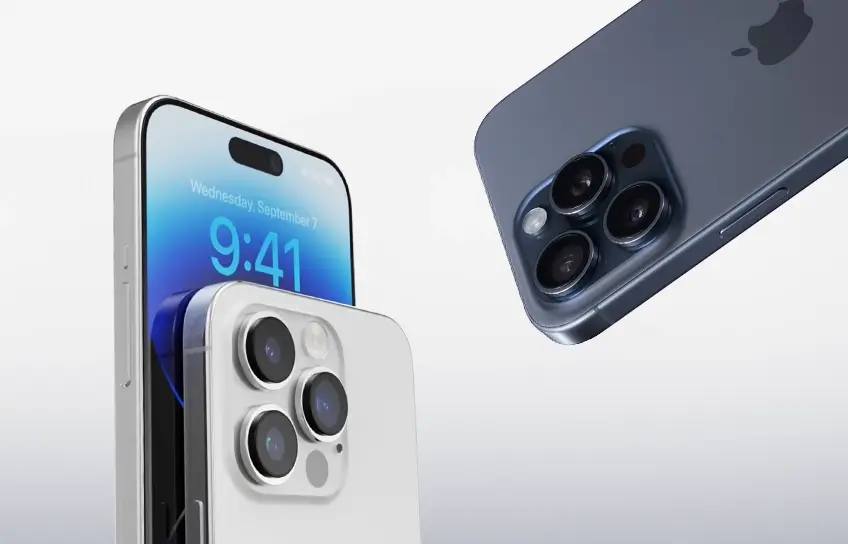
The iPhone 15 Pro Max launched in September 2023 with meaningful upgrades over its predecessor, including a titanium frame, 5x optical zoom, USB-C, and Apple’s most powerful chip at the time. Two and a half years later, it has been tested across millions of real-world use cases and it has held up remarkably well.
In 2026, with the phone now available at significantly reduced prices, the question is whether those upgrades still justify a purchase. We tested this phone thoroughly to give you a straight answer. Based on what this phone actually delivers day to day, the answer for most buyers is a confident yes and the reasons might surprise you.
IPhone 15 Pro Max Full Specifications
| Feature | Details |
| Released | September 22, 2023 |
| OS | iOS 17, upgradable to iOS 26.3 |
| Display | 6.7-inch LTPO Super Retina XDR OLED |
| Resolution | 1290 x 2796 pixels (~460 ppi) |
| Refresh Rate | Adaptive 1Hz to 120Hz (ProMotion) |
| Chipset | Apple A17 Pro (3nm) |
| CPU | Hexa-core (2×3.78 GHz + 4×2.11 GHz) |
| GPU | Apple GPU (6-core) |
| RAM | 8GB |
| Storage | 256GB / 512GB / 1TB |
| Rear Camera | 48MP f/1.8 (main) + 12MP ultrawide + 12MP 5x telephoto |
| Front Camera | 12MP f/1.9 |
| Video | 4K@24/25/30/60fps, ProRes, Dolby Vision HDR |
| Battery | 4441 mAh Li-Ion |
| Charging | 27W wired, 15W MagSafe, 7.5W Qi |
| Dimensions | 159.9 x 76.7 x 8.3 mm |
| Weight | 221g |
| Build | Ceramic Shield front, glass back, grade 5 titanium frame |
| Water Resistance | IP68 (up to 6m for 30 minutes) |
| Connectivity | USB-C 3.2 Gen 2, Wi-Fi 6E, Bluetooth 5.3, NFC, 5G |
| SIM | Nano-SIM + eSIM (region dependent) |
| Colors | Black Titanium, White Titanium, Blue Titanium, Natural Titanium |
| Security | Face ID |
What Makes This Phone Still Worth Talking About

When people look up the apple iphone 15 pro max today, they are usually comparing it against the newer iPhone 16 Pro Max and trying to decide if the price difference is worth it. At around $549 for the base 256GB model in 2026, it now sits several hundred dollars below the iPhone 16 Pro Max while sharing most of the same core experience. That gap is the main reason this phone remains a practical conversation.
Apple also does not reinvent its flagship every year. The software support is long, the hardware is still competitive, and the real-world performance difference between this model and the current generation is smaller than most people expect.
Design and Build Quality

Apple switched from stainless steel to grade 5 titanium for the iPhone 15 Pro Max frame, cutting nearly 19 grams compared to the iPhone 14 Pro Max. That brings the total weight down to 221g, and the difference is noticeable when holding the phone for extended periods. The rounded edges also reduce pressure on the palm compared to the sharper angles of previous Pro models.
When it comes to iphone 15 pro max colors, Apple offered four options at launch: Black Titanium, White Titanium, Blue Titanium, and Natural Titanium. All four use a matte finish that resists casual fingerprints better than the polished stainless steel of older models. The Ceramic Shield front glass and textured matte rear glass complete a build that has held up well over time with no creaking, warping, or finish degradation reported widely.
Talking about iphone 15 pro max size, it is a large device and there is no getting around that. The iphone 15 pro max dimensions sit at 159.9 x 76.7 x 8.3mm, and at that footprint, one-handed use requires some adjustment. The iphone 15 pro max screen size is 6.7 inches with slim bezels that push the screen-to-body ratio to 89.8%, giving the OLED panel maximum presence without making the phone physically bigger than it needs to be.
Camera Performance

The three-camera setup consists of a 48MP f/1.8 main lens, a 12MP ultrawide, and a 12MP 5x optical telephoto. The key addition over earlier Pro models is that telephoto lens, which uses a tetraprism to fold light through the phone body and achieve a 120mm equivalent focal length. Previous Pro Max models topped out at 3x optical zoom.
Main Camera and Everyday Shooting
The 48MP main camera outputs 24MP images by default by combining pixel data, which keeps file sizes manageable while retaining more detail than the 12MP output of previous generations. Daylight photos are sharp and colour-accurate, with natural tonal handling that avoids the heavy contrast boosting seen on some competing cameras.
The main lens also lets users choose between three fixed focal lengths: 24mm, 28mm, and 35mm. Switching between them is instant and does not require zooming. For photographers who prefer a specific field of view, this removes the need to crop in editing.
5x Optical Zoom Changes Everything
The 5x optical zoom is the most practically useful upgrade this phone brought to the Pro Max lineup. At 120mm equivalent, it is long enough for wildlife, sports, street photography, and compressed portrait backgrounds, all scenarios where 3x falls noticeably short.
Digital zoom remains usable up to around 10x to 15x before detail starts to soften. Beyond that range, sharpness drops off, which is consistent with every other smartphone at this focal length. Samsung’s Galaxy S23 Ultra with its 10x optical zoom does outperform this phone at extreme zoom distances, but for the majority of shooting situations, 5x is more than enough.
Portrait mode has also been improved. The camera now automatically records depth data whenever it detects a person or pet, regardless of which mode you are in. That means you can convert any standard photo into a portrait after the fact, which is a more flexible workflow than having to switch modes before shooting.
Low Light Photography and Video
In low-light conditions, the main and ultrawide cameras perform well, though images in very warm artificial indoor lighting can show visible noise at high ISO. It is a known limitation and not unique to this phone, but worth knowing if low-light shooting is a priority for you.
Video is a clear strength. The phone records 4K at up to 60fps in ProRes, supports Log encoding for colour grading in post, and can write footage directly to an external SSD via the USB-C port, bypassing internal storage entirely. Cinematic mode adds real-time depth-of-field control to video, which is useful for anyone producing short films or content that benefits from a more professional look.
Performance and Software

Among the standout iphone 15 pro max features is the A17 Pro, built on TSMC’s 3nm process with a hexa-core CPU running up to 3.78 GHz and a 6-core GPU. In benchmarks, it scored 1,487,203 on AnTuTu v10, which still puts it well above most Android mid-range phones and competitive with many current flagships. In day-to-day use, app launches are instant, multitasking across heavy applications is smooth, and demanding games like Resident Evil Village, which was specifically optimised for this chip, run without frame drops.
The A17 Pro also supports hardware-accelerated ray tracing, a feature that was console-exclusive until this chip brought it to mobile. For gaming, that translates to more realistic lighting and shadows in supported titles.
One critical point for 2026 buyers: this phone is fully compatible with Apple Intelligence. It runs on-device AI tasks including writing assistance, image generation, and enhanced Siri responses without needing a server connection for most features. Combined with confirmed iOS updates up to iOS 26.3, this phone is not being left behind on software in any meaningful way.
USB-C and Connectivity
The iPhone 15 Pro Max was the first iPhone Pro to ship with USB-C, and specifically with the USB 3.2 Gen 2 standard, supporting data transfers up to 10 gigabits per second. That is a significant jump from the 480Mbps Lightning cap on previous iPhones and makes a real difference when offloading large ProRes video files or RAW photo batches to a computer or external drive.
The port also supports DisplayPort output for connecting directly to external monitors, reverse charging at 4.5W to top up accessories like AirPods or an Apple Watch, and compatibility with the full range of USB-C accessories including audio interfaces, card readers, and docking stations. For users who already live in a USB-C world across laptops and tablets, this removes the last cable exception the iPhone required.
Battery Life and Charging

The 4441mAh battery handles a standard day without issue. In controlled video streaming tests it reached approximately 16 hours of active use, and under typical mixed usage involving browsing, messaging, calls, and some camera use, most users report comfortably making it to the end of the day.
Under heavier loads, specifically sustained camera use, 5G data, and GPS navigation running together, battery drain accelerates and some users will need to charge mid-day. Wired charging maxes out at 27W, which takes the phone from zero to 50% in around 30 minutes and to a full charge in roughly 85 minutes. By comparison, many current Android flagships charge at 65W to 100W, making the iPhone noticeably slower in that department. MagSafe wireless charging tops out at 15W and standard Qi at 7.5W.
Should You Buy It in 2026?
For those who want to verify iphone 15 pro max specs before deciding, the core numbers are: A17 Pro 3nm chip, 6.7-inch 120Hz OLED at 460ppi, 48MP main camera with 5x optical zoom, 8GB RAM, 4441mAh battery, USB-C 3.2 Gen 2, Wi-Fi 6E, and IP68 water resistance. On paper and in use, that is a complete and capable flagship package.
For anyone upgrading from an iPhone 12 or older, the improvements across every category are significant enough that the phone will feel like a completely different experience. iPhone 13 Pro Max users will find a strong case for upgrading, with the 5x zoom, USB-C, titanium build, and improved display all standing out. For iPhone 14 Pro Max users, the upgrade is real but narrower, mainly the zoom lens and the weight reduction.
How It Stacks Up Against the iPhone 16 Pro Max
The iPhone 16 Pro Max adds the A18 Pro chip, a 48MP ultrawide camera replacing the older 12MP version, a Camera Control button, and slightly larger display. In everyday tasks, the chip difference between A17 Pro and A18 Pro is not perceptible to most users. The ultrawide upgrade matters primarily to photographers who shoot wide-angle macro or detailed architectural shots. Camera Control has had mixed reviews for practical usefulness.
Thinking about the iphone 15 pro max price today, at roughly $549 for 256GB versus over $1,199 for the entry iPhone 16 Pro Max, the older model saves a buyer $650 or more. The apple iphone 15 pro max release date of September 22, 2023 puts it at just over two years old, with iOS updates confirmed through iOS 26.3 and several more years of support expected. For most buyers, that combination of lower price, proven performance, and continued software support makes it the more rational choice.
Pros and Cons
Pros
- Lightweight titanium frame at just 221g
- Outstanding 5x optical zoom telephoto camera
- Powerful A17 Pro chip still handles everything with ease
- USB-C with fast USB 3 data transfer speeds
- Large 6.7-inch OLED display with 120Hz ProMotion
- Supports Apple Intelligence and long-term iOS updates
- Solid battery life under moderate use
- IP68 water and dust resistance up to 6 metres
Cons
- Slow 27W wired charging compared to Android rivals
- Battery struggles under very heavy all-day use
- No expandable storage
- Still expensive compared to capable Android alternatives
- Dynamic Island remains largely underutilised
- No 3.5mm headphone jack
Final Thoughts
The iPhone 15 Pro Max is a capable, well-built phone that still competes meaningfully in 2026. The 5x camera, A17 Pro performance, USB-C connectivity, and Apple Intelligence support are genuine strengths. Slow charging and battery limitations under heavy use are real trade-offs that buyers should factor in. At its current discounted price, it offers more value than many newer alternatives at a higher cost, making it a smart choice for buyers who want flagship quality without flagship pricing.
