


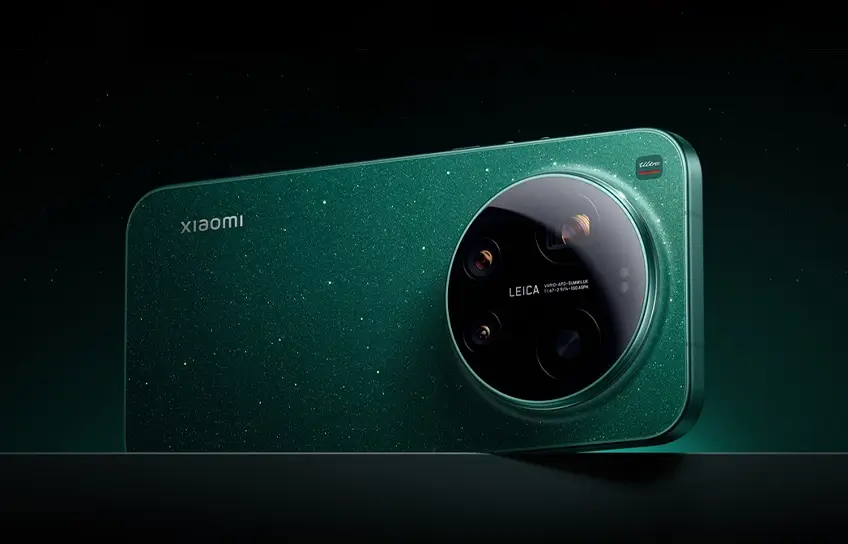
There are flagship smartphones, and then there are devices that make you question why you ever carried a separate camera. The xiaomi 17 ultra belongs firmly in the second camp. For anyone curious about the xiaomi 17 ultra release date, the phone was officially announced in China on December 25, 2025, with global availability following its MWC Barcelona debut on February 28, 2026.
At a starting price of £1,299 in the UK or €1,499 in Europe, it sits at the top of the market. But with a 1-inch main sensor, true variable optical zoom, Leica-engineered lenses, and the fastest mobile chip available today, the question is not whether it is expensive. The question is whether it justifies every penny of that cost.
Xiaomi 17 Ultra Specifications
| Feature | Details |
| Display | 6.9-inch LTPO AMOLED, 1200 x 2608 px, 120Hz, 3500 nits peak |
| Chipset | Qualcomm Snapdragon 8 Elite Gen 5 (3nm) |
| RAM & Storage | 12GB/16GB RAM, 512GB or 1TB (UFS 4.1) |
| Main Camera | 50MP, f/1.7, 1-inch sensor, OIS, Laser AF |
| Telephoto Camera | 200MP, f/2.6, 75-100mm variable optical zoom (3.2x-4.3x) |
| Ultrawide Camera | 50MP, f/2.2, 14mm |
| Front Camera | 50MP |
| Video | 8K@30fps, 4K@30/60/120fps, Dolby Vision HDR 10-bit |
| Battery | 6800mAh Silicon-Carbon (China) / 6000mAh (Global) |
| Charging | 90W wired, 50W wireless |
| OS | Android 16, HyperOS 3 |
| Build | IP68/IP69, Glass front, aluminum frame |
| Dimensions | 162.9 x 77.6 x 8.3mm, 224g |
| Connectivity | Wi-Fi 7, Bluetooth 5.4, NFC, USB-C 3.2 Gen 2, 5G |
| Colors | Black, White, Starry Green, Purple |
| Price | From £1,299 / €1,499 |
Design and Build Quality

How It Looks and Feels
Xiaomi has clearly put serious thought into the design this time around. The previous model, the 15 Ultra, had a chunky, two-tone look that not everyone loved. The 17 Ultra moves away from that with a cleaner, flatter profile. You get a flat display for the first time on a Xiaomi Ultra flagship, a slim aluminum frame, and a matte back that keeps fingerprints away better than most glass-backed phones.
At 8.3mm thick and 224 grams, it is not a light phone. The big camera module sits high on the back, which makes the top noticeably heavier than the bottom. For quick shots this is fine, but shoot for 20 to 30 minutes straight and your wrist will start to feel it. The module also lifts the back off any flat surface, so the phone rocks slightly when you set it down.
These are the kinds of compromises you accept with a camera-first phone. The build quality itself is solid, with IP68 and IP69 ratings covering both deep water immersion and high-pressure jets. If you want a thorough look at the hardware before buying, a full breakdown of the xiaomi 17 ultra specs covers everything from the chipset to the display in detail.
Color options include Starry Green with real mineral particles in the panel, plus Black, White, and Purple. All four finishes feel premium and hold up well in daily use.
Xiaomi 17 Ultra Display

Screen Quality and Brightness
Xiaomi ditched the curved screen this time, and it was the right call. Curved displays on previous Ultra models looked dramatic but caused reflections and made it hard to find a screen protector that actually fit properly. The flat 6.9-inch LTPO AMOLED panel here is easier to live with every day.
At 416 pixels per inch with a resolution of 1200 x 2608, it is sharp enough that you will never notice individual pixels. More importantly, the display covers 100 percent of the DCI-P3 color gamut and is factory calibrated to a Delta-E of under 1. For a phone that puts photography at the center of everything, accurate colors on the screen genuinely matter. Looking at your shots on a display that shifts colors even slightly gives you a false impression of what you actually captured.
Peak brightness hits 3,500 nits, which keeps things perfectly readable even in direct sunlight. The refresh rate adjusts automatically between 1Hz during idle screens and 120Hz during active use, which helps stretch the battery without any manual input. Streaming apps like Netflix and Apple TV Plus play back in full Dolby Vision HDR, and the difference is clearly visible compared to a phone without proper HDR certification.
Performance

Speed and Everyday Use
The Xiaomi 17 Ultra runs on the Qualcomm Snapdragon 8 Elite Gen 5, a 3nm chip with two Oryon V3 Prime cores clocked at 4.6 GHz. Paired with up to 16GB of RAM and up to 1TB of UFS 4.1 storage, it posts an AnTuTu V11 score above 3.86 million, which puts it ahead of every other production chip right now.
Day to day, the performance shows. The camera app opens the moment you tap it. Jumping between the main, telephoto, and ultrawide lenses is immediate. Exporting a five-minute 4K 60fps video finishes in under two minutes. Genshin Impact at max settings runs without a frame drop or any noticeable heat buildup, thanks to a vapour chamber cooling system that keeps the chip running at full speed rather than throttling when things get demanding.
The xiaomi 17 ultra price reflects this level of engineering. Chips and thermal systems at this tier cost money to build, and the performance you get back is real and consistent over the long term, not just on the first day out of the box.
Camera System

Main Camera
The main camera uses a 50-megapixel 1-inch sensor with an f/1.7 aperture, dual pixel PDAF, Laser AF, and optical image stabilisation. The 1-inch sensor size is what separates this from most other phones. A physically larger sensor captures more light, which means better dynamic range, more detail in shadows, and cleaner results in low light without cranking up noise reduction.
Xiaomi worked with Leica on this generation, and the xiaomi 17 ultra leica edition co-engineering goes beyond a logo. The Summilux optics and color tuning are built into the lens and the image processing pipeline together, which is why photos from this phone have a different character to them compared to most Android flagships. Colors feel grounded rather than punchy. Skin tones look natural. The overall rendering has a filmic quality that is genuinely hard to fake with software alone.
Night photography is particularly strong. Low-light shots come out detailed and true to the scene without the over-brightened, almost daylight look that many competing phones produce. Portrait mode produces clean background separation and smooth bokeh that holds up well even when you pixel-peep.
The camera does have some honest weaknesses worth knowing. In situations where the light is coming from behind your subject, the phone tends to underexpose slightly. A quick manual exposure adjustment fixes it, but it is something you need to stay aware of. At zoom levels around 2x, 8x, and 17x, JPG output shows some smoothing of fine detail from aggressive AI processing. Shooting in RAW and editing yourself produces noticeably sharper results, so if you are serious about image quality, that extra step is worth building into your workflow.
Telephoto and Zoom
The telephoto camera is a 200-megapixel periscope lens with an equivalent focal range of 75mm to 100mm, giving you a variable optical zoom between 3.2x and 4.3x. True mechanical zoom on a smartphone is rare, and those who have read through the xiaomi 17 ultra specifications will know this system is backed by a dedicated ISP and Leica-grade glass that keeps colors consistent across all three lenses.
In practical shooting, the zoom delivers sharp and detailed results. Using the full 200-megapixel resolution gives you enormous files that crop beautifully for landscape or architecture work where you want maximum flexibility in post.
A few limitations are worth being upfront about. The optical zoom range is 3.2x to 4.3x, which is technically impressive but fairly narrow. If you regularly shoot at 5x, 10x, or longer, digital zoom fills the gap but quality drops off. There is also minor color inconsistency between the telephoto and main cameras in mixed lighting.
The 200MP mode itself has constraints that marketing material tends to skip over. RAW output is not available in this mode, manual exposure controls are restricted, and the phone pauses noticeably between shots while it processes the large file. It works well for still subjects where you have time to compose properly, but it is not practical for street photography or anything that moves.
Close-up shots are another gap. The telephoto has a minimum focusing distance of 30 centimetres, while many competing phones manage around 10 centimetres. Macro photography is simply not possible with this lens. The main and ultrawide cameras can get closer, but neither gives you the same magnification for small subjects.
Ultrawide Camera
The 50-megapixel ultrawide uses a 14mm focal length and an f/2.2 aperture. It handles wide scenes cleanly with minimal distortion at the edges and holds sharpness well across the frame. Colors stay reasonably consistent with the main camera in good light, making it a reliable choice for architecture, interiors, and group shots where you need the extra width.
Video
Video is where this phone stands out even further. You can shoot 8K at 30fps, 4K at up to 120fps for slow motion, and Dolby Vision HDR now records automatically across all modes rather than requiring you to switch it on manually.
All three rear cameras support 10-bit LOG recording, which gives you proper flexibility in color grading if you edit your footage. Every xiaomi 17 ultra review from a serious videographer highlights this as a genuine advantage for creators who want professional-grade footage without carrying a dedicated camera rig.
Battery Life and Charging

Real-World Battery Performance
The global version of the phone comes with a 6,000mAh Silicon-Carbon battery. The Chinese market version gets 6,800mAh, which is a meaningful difference. On paper, 6,000mAh sounds like more than enough, but the real-world results depend heavily on how you use the phone.
Casual users who mostly browse, scroll through social media, and take occasional calls will comfortably get through two days. Push into four to five hours of active screen time daily with heavy camera use, navigation, or video streaming, and you are looking at getting through one day, not two.
For a phone positioned as a camera tool for serious photographers, one-day battery life during intensive shoots is something you need to plan around. The Photography Kit Pro accessory includes a built-in 2,000mAh battery that helps during long outdoor sessions, and 90W wired charging gets you back to full in just over an hour. Wireless charging runs at 50W for those who prefer it. One thing to note is that a charger is not included in the box in most global markets, so add that to your budget when buying.
Software

HyperOS 3 and Daily Experience
The phone runs Android 16 with HyperOS 3 on top. Coming from a stock Android phone or a Samsung, the default setup will feel different. There is no app drawer turned on out of the box, the always-on display is off by default, and Xiaomi’s own apps fill some spots where you might expect Google ones. Getting everything set up the way you want takes about 20 to 30 minutes.
After that initial adjustment, the software runs smoothly. The built-in AI assistant, Xiao AI, handles useful things like summarizing web pages, transcribing voice recordings, and suggesting replies in messaging apps. The transcription is quick and accurate enough to use in real situations like meetings or interviews. Multitasking works well too, with split-screen and floating window modes that feel natural rather than bolted on.
The camera app is the highlight of the software experience. It pairs well with the xiaomi 17 ultra camera specs and gives you full manual control over shutter speed, ISO, white balance, and focus. A dedicated Master Cinema mode mimics the layout of professional video cameras. Leica Authentic and Vibrant color profiles are available alongside a film simulation mode. For a built-in camera app, the depth of control here is genuinely impressive and something you would usually only find in third-party apps.
Pros
- Exceptional camera with Leica-tuned optics and a 1-inch main sensor
- Snapdragon 8 Elite Gen 5 with top-tier real-world performance
- Stunning flat AMOLED display with accurate colors and 3,500 nits brightness
- Strong video capabilities including 8K, Dolby Vision, and 10-bit LOG
- IP68 and IP69 dual water resistance
Cons
- Global battery underperforms for heavy users
- Optical zoom range is narrow at 3.2x to 4.3x
- No charger in the box
- HyperOS 3 has a learning curve for new users
- Not available in the United States
Who Should Buy This Phone?
This phone is built for photographers who want the best possible mobile imaging without lugging around a dedicated camera. The 1-inch sensor, Leica glass, and mechanical optical zoom put it in a different league from most smartphones when it comes to image quality and creative control.
Content creators and videographers will also find a lot to like. Having 8K, Dolby Vision, 10-bit LOG, and gyro stabilisation all in one device covers a serious production workflow without the bulk. If you are a power user who wants top-tier speed, a calibrated display, and future-proof connectivity with no trade-offs, this phone delivers all of that.
On the flip side, if your main concern is making it through two days on a single charge, or if you are deeply familiar with Samsung or Google’s software and would rather not adjust, the Galaxy S26 Ultra and Pixel 10 Pro XL are both worth a look. Those also keeping an eye on the upcoming Google Pixel 11 may want to hold off and compare camera performance before making a final decision.
The Photography Kit and Photography Kit Pro accessories are also worth exploring if you buy this phone, as they add physical controls that make handheld shooting significantly more comfortable.
Conclusion
The Xiaomi 17 Ultra earns its price for the right kind of buyer. The camera system is exceptional, the display is one of the best on any Android phone right now, and the performance never gets in your way. Build quality is solid and the design, while not perfect to hold for long periods, has real character.
Battery life on the global model is the most honest limitation, and the narrow optical zoom range is worth knowing before you buy. HyperOS 3 takes a short adjustment period if you are coming from another ecosystem. None of these are reasons to walk away, but they are worth weighing honestly.
For photography and video, very few phones come close to what this one offers. Those considering waiting for the Galaxy S27 Ultra should weigh whether the next generation justifies holding off on one of the strongest camera phones available right now.
