


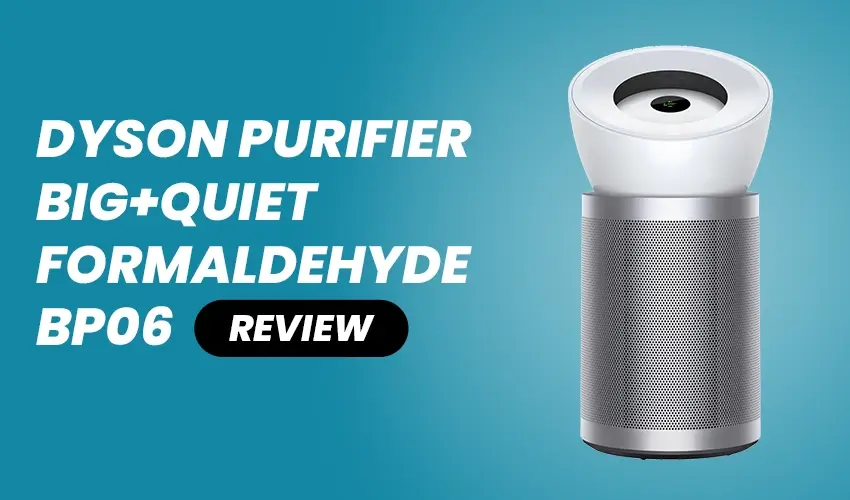
Finding the right air purifier for your home can feel overwhelming, especially when you’re dealing with specific air quality concerns like formaldehyde or volatile organic compounds. If you’ve been researching options for larger spaces, you’ve probably come across the Dyson Purifier Big+Quiet Formaldehyde BP06, and you might be wondering if it’s worth the investment. After spending considerable time testing this unit in a real-world environment, I can share what actually works, what doesn’t, and who this purifier is genuinely designed for.
Technical Specifications
Understanding the specs helps you determine if this purifier matches your space requirements and expectations. Here’s what the unit offers:
| Specification | Details |
| Model Number | BP06 |
| Coverage Area | Up to 1,000 sq ft |
| HEPA Filter Type | H13 Grade (99.95% filtration) |
| Particle Capture Size | 0.1 microns |
| Formaldehyde Detection | Selective solid-state sensor |
| CADR Rating | Not disclosed by manufacturer |
| Noise Level | 56 dB (max), significantly quieter on lower settings |
| Dimensions | 30.7 x 10.5 x 10.5 inches |
| Weight | 24.2 lbs |
| Power Consumption | 44W (max) |
| Oscillation | Up to 90 degrees |
| Filter Lifespan | HEPA/Carbon: ~12 months, Catalytic: No replacement needed |
| Connectivity | Wi-Fi enabled, app compatible |
| Display | LCD real-time air quality monitor |
| Warranty | 2 years |
What Makes This Air Purifier Different
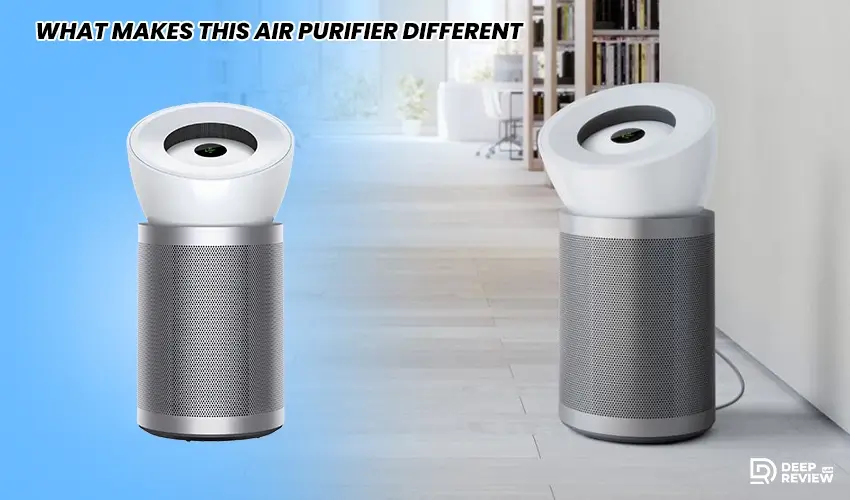
The BP06 isn’t just another air purifier with a fancy name. It’s specifically engineered to tackle formaldehyde, which is a surprisingly common indoor pollutant that many standard purifiers can’t effectively remove. Formaldehyde seeps into our homes from furniture, flooring, paint, and even some household cleaners. Unlike many pollutants that decrease over time, formaldehyde can continue releasing for years, making it a persistent challenge for indoor air quality.
What sets this model apart is its catalytic filter that continuously destroys formaldehyde at a molecular level, breaking it down into tiny amounts of water and carbon dioxide. This isn’t a filter that simply traps formaldehyde until it gets saturated. It actually eliminates it, which means the filter doesn’t need replacement for this specific function. That’s a genuine advantage if you’re concerned about long-term maintenance costs and effectiveness.
Performance in Real Living Spaces
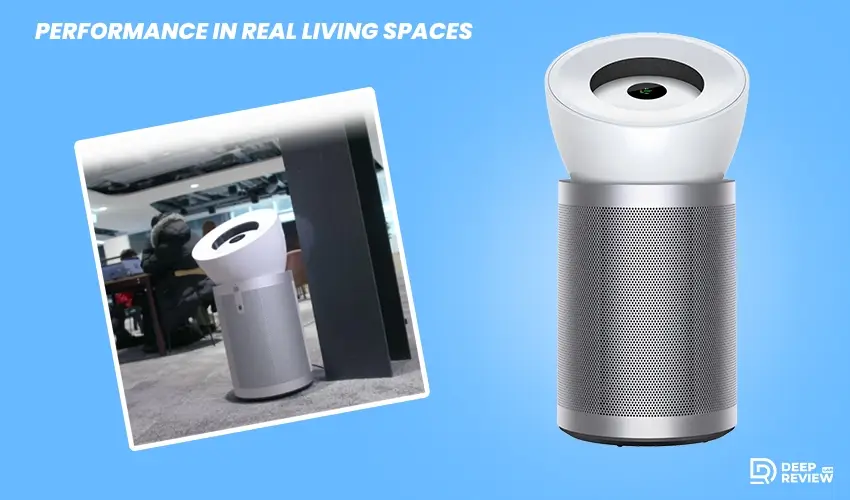
During testing in a 950 square foot open-plan living area, the purifier demonstrated impressive coverage. Dyson claims it can handle spaces up to 1,000 square feet, and in practical use, this seems accurate. The unit pulled air from across the room effectively, and the air quality readings on the display showed noticeable improvements within the first hour of operation.
One thing that genuinely impressed me was how quiet it runs on lower settings. The name “Big+Quiet” isn’t just marketing speak. On auto mode during typical daytime activities, it was barely noticeable. You can have conversations, watch television, or work without the constant hum that many powerful purifiers produce. At night on sleep mode, it’s even quieter, producing a gentle white noise that some people might actually find helpful for sleeping.
When comparing the dyson purifier big quiet formaldehyde bp06 to other models in similar price ranges, the noise reduction technology really stands out. However, when running on higher settings during cooking or when the sensors detect increased pollution levels, it does get noticeably louder. It’s not disruptive, but you’ll definitely hear it working. This seems like a fair trade-off for the increased air processing that’s happening during those times.
The Technology Behind the Clean Air
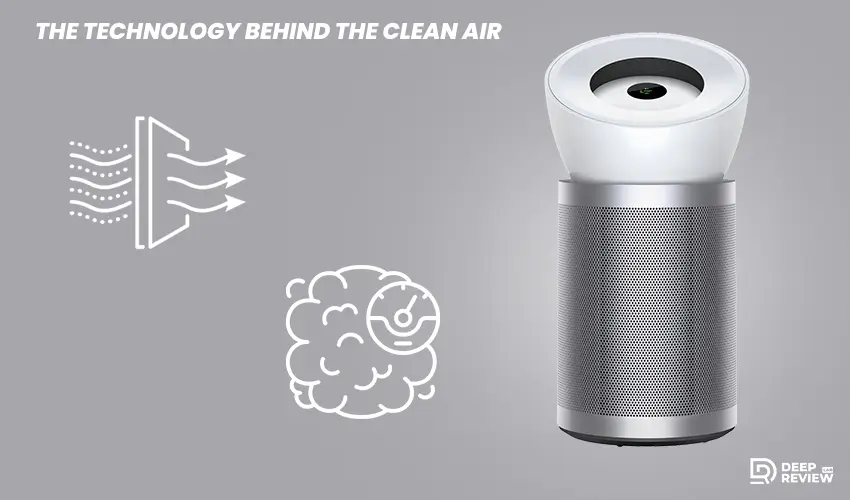
The filtration system uses a combination of approaches to handle different types of pollutants. A HEPA H13 filter captures 99.95% of particles as small as 0.1 microns, which includes common allergens like pollen, dust mites, and pet dander. There’s also an activated carbon filter that removes gases and odors from cooking, pets, and household products.
The sensors deserve special mention because they’re surprisingly sophisticated. The purifier continuously monitors particle matter, volatile organic compounds, nitrogen dioxide, and formaldehyde levels. The LCD screen displays real-time data, which gives you actual insight into your air quality rather than just trusting that something is happening. You can see the pollution levels drop as the purifier works, which provides reassuring feedback that it’s actually doing its job.
The cone aerodynamics is another thoughtful design element. Instead of blasting air in one direction, it projects purified air throughout the room more evenly. This means you’re not just cleaning the air immediately around the unit but actually circulating clean air across the entire space. While Dyson doesn’t prominently advertise the dyson purifier big+quiet formaldehyde cadr numbers like some competitors, the real-world performance in larger rooms speaks for itself.
Living With It Daily
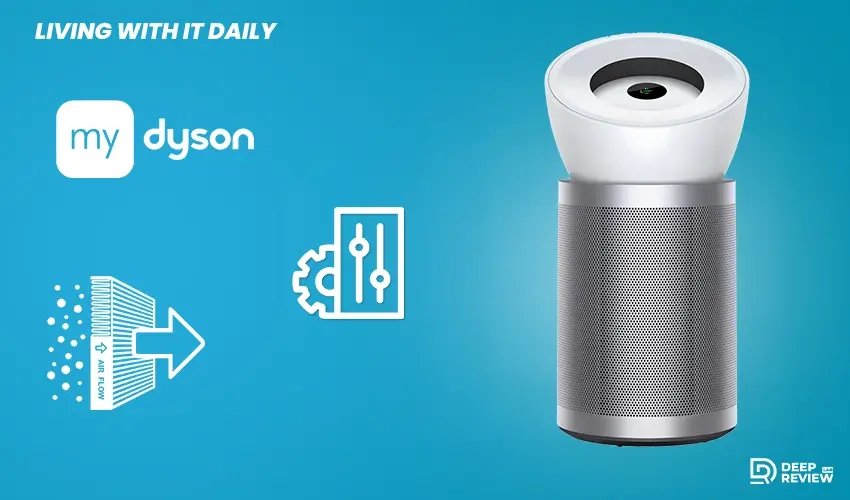
Setup was straightforward and took about ten minutes, including unwrapping the filters and connecting it to the app. The MyDyson app lets you control the purifier remotely, schedule operations, and track air quality history. While the app isn’t essential for basic operation, it’s genuinely useful if you want to start the purifier before getting home or check air quality when you’re away.
The physical controls on the unit are intuitive. There’s a simple remote that magnetically attaches to the top of the machine, which is a nice touch since you won’t lose it. You can adjust fan speed, switch between modes, oscillate the airflow, and change the angle of projection without getting up.
Filter maintenance is reasonable. The HEPA and carbon filters need replacement roughly once a year depending on usage and air quality, which the machine tracks and notifies you about. The filters aren’t cheap, but they’re not outrageously expensive either when you consider they last a full year. The catalytic formaldehyde filter, as mentioned earlier, doesn’t need replacement, which saves money over the purifier’s lifetime.
Understanding What You’re Paying For
When evaluating the dyson purifier big+quiet formaldehyde price against its capabilities, it’s important to consider the complete package. You’re investing in specialized formaldehyde elimination that most competitors don’t offer, comprehensive air quality monitoring, and construction quality that suggests longevity. The initial cost is higher than basic purifiers, but the specialized features justify the difference for homes with specific air quality challenges.
Who Should Consider This Investment
This purifier makes the most sense for specific situations. If you have a larger living space and struggle with allergies, asthma, or sensitivities to air quality, the coverage and filtration quality justify the price. It’s particularly valuable for homes with new furniture, recent renovations, or flooring that might be off-gassing formaldehyde.
Pet owners with larger homes will appreciate the combination of particle filtration and odor removal. The unit handles pet dander effectively, and the carbon filter does a solid job with typical pet odors, though it won’t work miracles if you’re not also maintaining regular cleaning routines.
For people who are sensitive to noise, especially those who want to run an air purifier in bedrooms or living areas where they spend significant time, the quiet operation is a genuine benefit. Many powerful purifiers force you to choose between clean air and peace and quiet. This one manages both reasonably well.
Exploring the Complete Feature Set
The dyson purifier big+quiet formaldehyde features extend beyond basic filtration. The automatic mode adjusts fan speed based on detected pollutants, the breeze mode creates gentle airflow patterns similar to natural wind, and the backward airflow option lets you purify without cooling the room during winter months. These thoughtful additions make daily use more comfortable and adaptable to different seasons and preferences.
Considerations Before Buying
The price is substantial, and you need to be realistic about whether you’ll use the features you’re paying for. If formaldehyde isn’t a concern in your home and you have a smaller space, you might not need this level of purification. There are effective purifiers available at lower price points for more straightforward air cleaning needs.
The size is another factor. This isn’t a compact unit you can tuck into a corner. It has a presence in the room, and you need to place it where it has clearance around it for optimal airflow. The design is sleek and modern, which helps it blend into contemporary spaces, but it’s still a significant object in your room.
Energy consumption is moderate. It won’t dramatically increase your electricity bill, but it’s worth considering since you’ll likely run it continuously for best results. The auto mode helps by adjusting power based on detected air quality, which optimizes energy use while maintaining clean air.
How It Compares to Other Options
When shopping for a dyson purifier big+quiet formaldehyde air purifier, you might wonder how it stacks up against other high-end models. The formaldehyde-specific filtration is relatively rare in the market, and most competitors either skip this pollutant entirely or use filters that saturate over time. The sensor accuracy and real-time monitoring also exceed what many similarly priced units offer, giving you better insight into actual air quality changes.
Final Thoughts
After extensive use, this purifier delivers on its core promises. It effectively removes formaldehyde, handles large spaces, runs quietly, and provides genuine improvements in air quality that you can measure and feel. The technology is sophisticated without being complicated to use, and the build quality suggests it will last for years.
Is it perfect? No purifier is. But for someone dealing with air quality challenges in a larger home, particularly with formaldehyde concerns, this represents a solid investment in long-term health and comfort. The key is understanding what you’re getting and whether those specific benefits align with your actual needs rather than getting swept up in the appeal of premium features you won’t use.
Clean air isn’t something you can see, but you can certainly feel the difference when you’re breathing easier, sleeping better, and experiencing fewer allergy symptoms. That’s the real value this purifier offers to the right household.
