


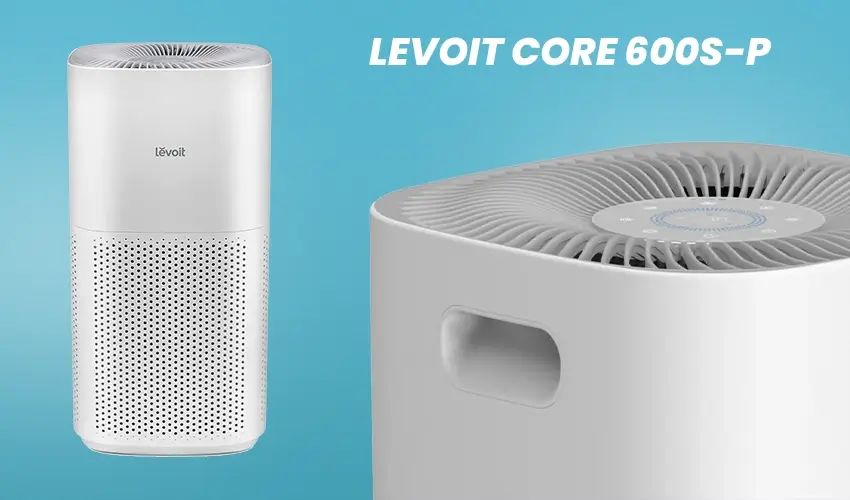
If you’ve spent any time researching air purifiers for large rooms, you’ve probably come across the Levoit Core 600s-P at some point during your search. It keeps showing up on best-of lists, in forum discussions, and in recommendation threads, and there’s a reason for that. But popularity alone doesn’t mean a product is the right fit for everyone. This review aims to give you a clear, grounded look at what this air purifier actually does, how well it performs in day-to-day use, and whether it’s genuinely worth your money.
Specifications at a Glance
Before getting into the details, here’s a quick reference table covering the key technical specs for this unit so you have a clear baseline as you read through the rest of this review.
| Specification | Details |
| Model | Levoit Core 600S-P |
| Coverage Area | Up to 2,933 sq ft (1x/hr air change) |
| CADR | 391 CFM (Smoke, Dust, Pollen) |
| Filtration System | 3-in-1: Pre-filter, True HEPA, Activated Carbon |
| Particle Capture Rate | 99.97% of particles as small as 0.1 microns |
| Noise Level | As low as 26 dB (Sleep Mode) |
| Smart Connectivity | Wi-Fi, VeSync App, Amazon Alexa |
| Air Quality Sensor | AirSight Plus PM2.5 Laser Sensor |
| Fan Speeds | Sleep, Low, Medium, High, Auto |
| Filter Replacement | Every 6 to 8 months (average use) |
| Certification | AHAM VERIFIDE |
| Dimensions | 11.8 x 11.8 x 23.6 inches |
| Weight | 17.2 lbs |
| Power Consumption | 48W (Max) |
What Makes a Good Air Purifier Worth Buying?
Before diving into the specifics of this particular unit, it helps to understand what you should actually be looking for when buying an air purifier. The market is flooded with options, and manufacturers love to throw around impressive-sounding numbers that don’t always translate to real-world results.
Understanding CADR and Coverage Area
CADR stands for Clean Air Delivery Rate, and it’s one of the most reliable metrics for comparing air purifiers. It measures how quickly a unit can filter smoke, dust, and pollen from the air in a given space. A higher CADR number generally means faster, more effective purification. When a brand gets AHAM VERIFIDE certification, it means an independent organization has tested and verified those numbers, which adds real credibility to the product’s claims.
Coverage area is another number you’ll see everywhere, but it’s important to understand what it means. Most manufacturers calculate coverage based on a single air change per hour. In reality, for people with allergies, asthma, or pets, you want at least four to five air changes per hour for the purifier to make a meaningful difference. That means the effective square footage for your needs might be significantly smaller than the advertised number.
Why Filtration Quality Matters More Than You Think
Not all filters are created equal. A true HEPA filter captures 99.97% of particles as small as 0.3 microns. This includes most allergens, dust mites, mold spores, and fine smoke particulates.
Some budget units use “HEPA-type” or “HEPA-like” filters that do not meet this standard. A compact option like the Levoit Core 300S air purifier uses a genuine HEPA filter. It also works well for single rooms. This shows that true HEPA filtration is not limited to large or expensive units.
Beyond particle filtration, activated carbon layers help absorb odors and volatile organic compounds. This is especially useful in homes with pets, cooking smells, or off-gassing from new furniture.
A Closer Look at Performance and Features
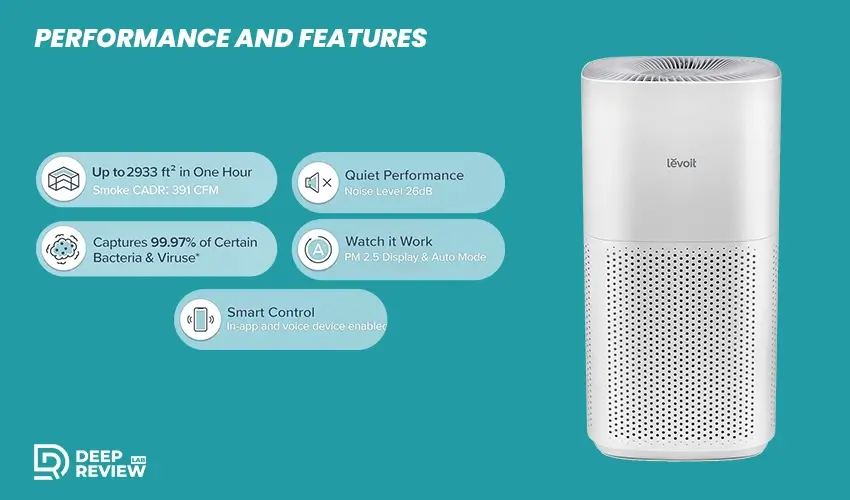
This unit is built around a 3-in-1 filtration system that combines a pre-filter for larger particles, a true HEPA filter, and an activated carbon layer for odors. With a CADR of 391 CFM, it’s one of the more powerful consumer-grade air purifiers on the market.
To put that in perspective, a popular entry-level model like the levoit classic 300s is designed for rooms up to around 219 square feet, which is fine for a bedroom but simply not built for the scale this unit handles. That level of output allows it to cover very large spaces, which is something most competitors in a similar price range simply can’t match.
How It Handles Everyday Contaminants
In practice, the difference this kind of purifier makes in a home with pets is noticeable. Pet dander is one of the most stubborn allergens because the particles are lightweight and stay airborne for long periods.
The HEPA filtration here handles that problem well. Users who run the unit continuously in rooms where pets spend most of their time often notice real improvements in allergy symptoms.
If you have a medium-sized living room rather than an open-plan space, the Levoit Core 400S air purifier is worth comparing. It may be a more proportionate option for that type of room. However, for larger areas with pets, the extra capacity of this model makes a tangible difference.
Cooking smoke is another area where this purifier stands out. When you fry food or use high heat in the kitchen, the air quality can drop rapidly. The built-in air quality sensor detects that spike in particulates and automatically ramps up the fan speed to clear the air faster. It’s a feature that sounds simple on paper but makes a genuine difference in a kitchen-adjacent living space.
Smart Features That Actually Add Value
Wi-Fi connectivity and app control have become standard features on mid-to-high-range air purifiers, but not all implementations are equally useful. The app for this unit allows you to monitor real-time air quality readings, set schedules, and adjust settings without having to be in the same room. Voice control through Alexa adds another layer of convenience for those already in the smart home ecosystem.
The Auto Mode is worth paying attention to because it takes the guesswork out of daily use. Rather than manually adjusting the fan speed throughout the day, the purifier reads the PM2.5 sensor data and responds accordingly. When the air is clean, it runs quietly at a lower speed. When it detects a problem, it ramps up automatically. For busy households, that kind of set-it-and-forget-it operation is genuinely practical.
Noise Levels and Sleep-Friendly Operation
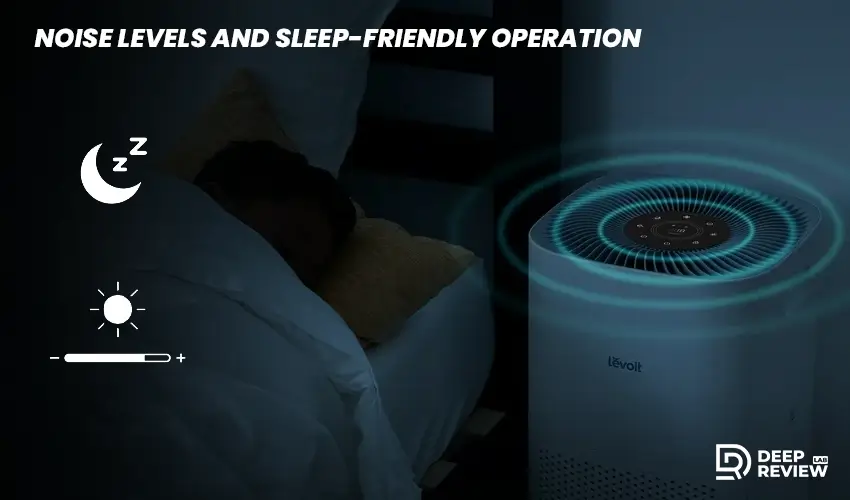
Noise is a dealbreaker for many people, especially if they plan to run an air purifier in a bedroom overnight. At its lowest setting, this unit operates at around 26 decibels, which is quieter than a whisper and comparable to a very soft background hum. The Sleep Mode is designed specifically for nighttime use, reducing both the fan speed and the brightness of the display panel.
The Light Sensor Feature
One small but thoughtful detail is the automatic light sensor, which dims or turns off the display when the room gets dark. It’s the kind of feature that doesn’t show up prominently in product descriptions but makes a real difference if you’re a light sleeper. Running an air purifier at night is pointless if the glowing display keeps you awake.
Filter Replacement: What to Expect Long-Term
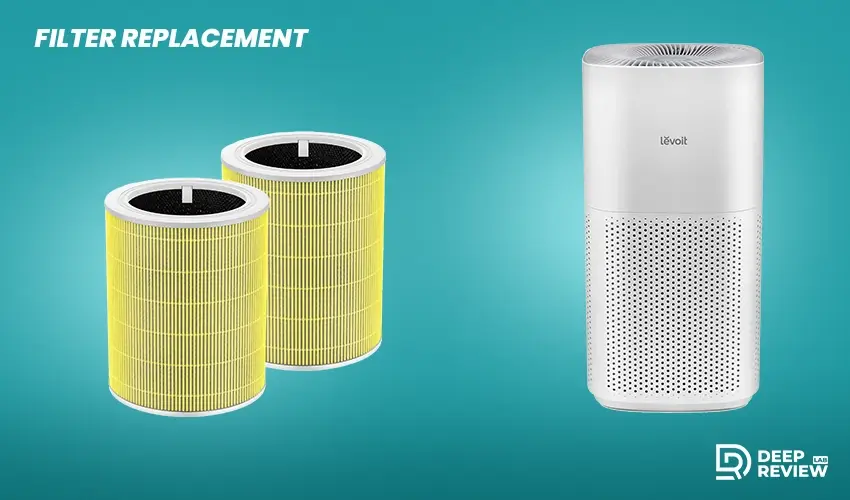
Owning an air purifier isn’t a one-time purchase. The filters need to be replaced regularly, and the cost of those replacements is something smart buyers factor in before committing to a unit. Under normal household conditions, the filter replacement cycle is typically every six to eight months. However, if you live in an area with high pollution, have multiple pets, or run the unit constantly on higher settings, you may find yourself replacing filters more frequently.
Factors That Affect Filter Lifespan
The pre-filter in the system captures larger particles like hair and dust before they reach the HEPA layer. Giving that pre-filter a gentle clean every few weeks can meaningfully extend the life of the main filter, which saves money over time. The built-in filter indicator on the unit alerts you when a replacement is due, but it’s also worth doing a visual check periodically, especially if your environment is particularly dusty or smoky.
Who Should Consider This Air Purifier?
This is not a product for everyone, and being honest about that is part of giving useful advice. If you live in a small apartment and only need to purify one compact room, there are smaller and more affordable options available. They will serve you just as well without the higher price tag or larger footprint.
Where this unit genuinely shines is in larger homes, open floor plans, or places where air quality is a serious concern. Buyers who previously used an older large-room model like the levoit lv600s may want a smarter upgrade. They will notice a meaningful step up in technology and automation.
Families dealing with allergies or asthma can benefit from the extra filtration power. The same applies to homes with pets or spaces near busy roads or construction sites. In these situations, the stronger airflow and filtration capacity can justify the investment.
Conclusion
Choosing the right air purifier is a decision that deserves careful thought, and this review has tried to give you the honest information you need to make that call confidently. From its filtration performance and smart features to its quiet operation and long-term maintenance considerations, this is a well-rounded product that earns its reputation.
It works best when matched to the right environment and the right user needs. If you’ve identified those needs clearly, and they align with what this unit offers, it’s a solid choice that is likely to serve you well for years to come.
