


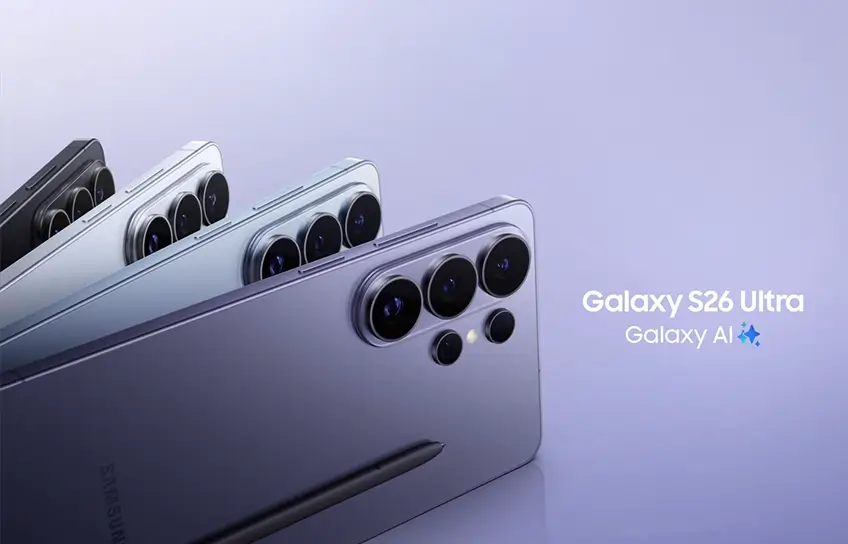
The Samsung Galaxy S26 Ultra is the best Android phone of 2026. Full stop. But spending $1,299.99 on a phone that Samsung’s own executives admit is saving its biggest hardware leap for next year requires more than a brand verdict. It requires honesty about what genuinely changed, what quietly didn’t, and what actually surprised.
This is a phone that finally delivers on Galaxy AI’s long-running promise. It carries the world’s first hardware Privacy Display. It charges faster than any Samsung flagship before it. And it runs the first Android chip to pull level with Apple in single-core performance. None of those things are small.
At the same time, the 3x camera is essentially unchanged since the S21 Ultra. The battery capacity has not grown in seven generations. The S Pen lost Bluetooth two years ago and still has not got it back. And Now Nudge, Samsung’s headline AI feature, will not feel magical on day one.
Buyers shopping the top-tier Android flagship segment deserve a review that names all of that upfront. So here it is.
Samsung Galaxy S26 Ultra Full Specs
| Specification | Detail |
| Display | 6.9-inch Dynamic AMOLED 2X, QHD+, 120Hz LTPO |
| Chipset | Snapdragon 8 Elite Gen 5 for Galaxy (3nm) |
| RAM / Storage | 12GB / 256GB, 12GB / 512GB, 16GB / 1TB |
| Main Camera | 200MP, f/1.4, 23mm, OIS |
| 5x Telephoto | 50MP, f/2.9, 111mm, OIS |
| 3x Telephoto | 10MP, f/2.4, 67mm, OIS |
| Ultrawide | 50MP, f/1.9, 13mm |
| Front Camera | 12MP, f/2.2 |
| Battery | 5,000 mAh |
| Wired Charging | 60W Super Fast Charging 3.0 |
| Wireless Charging | 25W Qi2.2 (magnetic case required) |
| OS | One UI 8.5, Android 16 |
| Software Support | 7 years of Android OS updates |
| IP Rating | IP68 |
| Starting Price | $1,299.99 (USD) |
| Colors | Black, White, Cobalt Violet, Sky Blue + Silver Shadow and Pink Gold online exclusive |
Samsung S26 Ultra Design
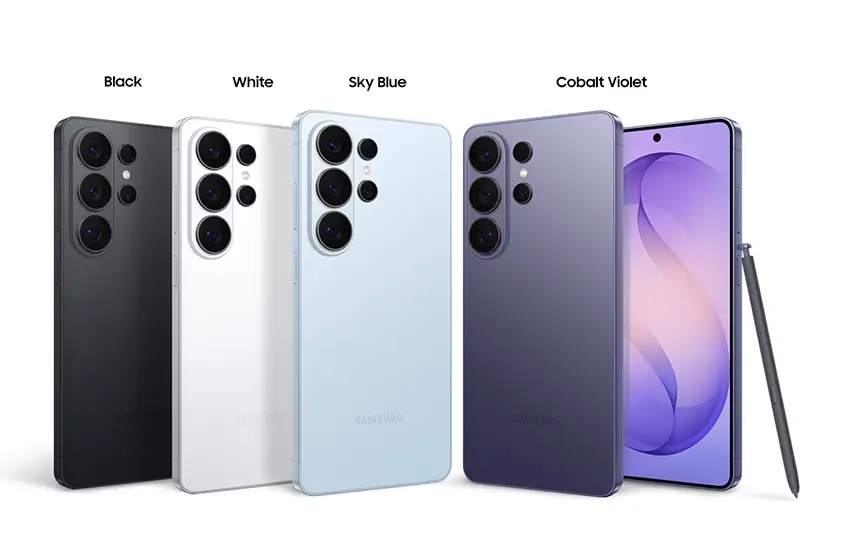
Pick up the S26 Ultra next to an S25 Ultra and the difference is immediately physical. It is thinner at 7.9mm versus 8.2mm, lighter at 214g versus 218g, and the corners have been rounded further. That last change matters more than the numbers suggest. The old squared-off edges used to dig into your palm during one-handed use. These don’t.
Samsung also switched from titanium back to aluminum. The timing is hard to ignore since Apple made the exact same swap with the iPhone 17 series. Aluminum does offer real practical benefits though: better heat dissipation, slightly softer feel, and it takes color finishes more richly than titanium. The Cobalt Violet unit looks excellent in person.
The camera island has been redesigned with a raised platform for three of the four lenses. It looks clean. It does mean the phone rocks noticeably on a flat surface, which gets genuinely irritating if you use the phone without a case. A case fixes it, but it is worth knowing.
Gorilla Armor 2 covers the front, Gorilla Glass Victus 2 protects the rear, and the IP68 rating remains unchanged. Build quality is beyond criticism.
One design observation nobody else seems willing to say plainly: the S26 Ultra now looks more like an iPhone than any previous Ultra. Rounded corners, aluminum frame, softer silhouette. A coworker handed back a review unit after mistaking it for an iPhone. If Galaxy Ultra’s distinct identity matters to you as a buyer, this generation is where that identity gets blurry.
The Privacy Display
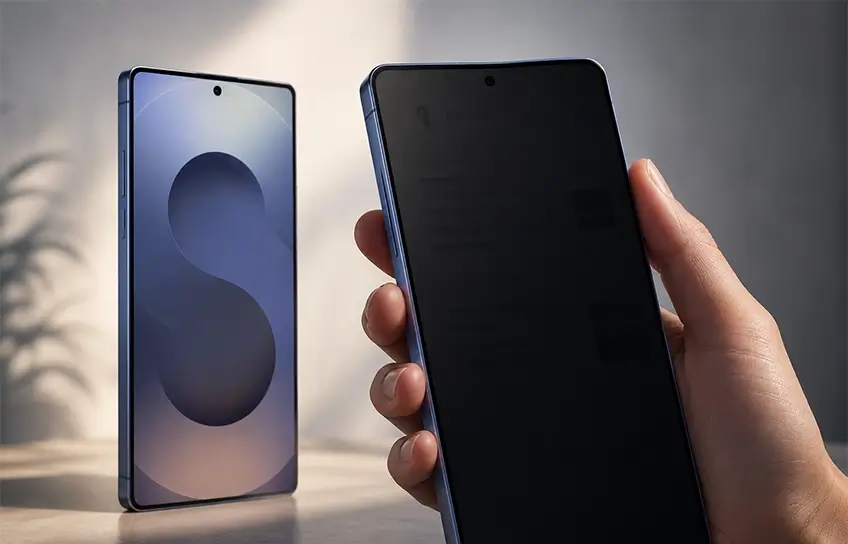
The Privacy Display is real technology, not a marketing trick. Two types of OLED pixels sit in an alternating pattern across the panel: wide-angle pixels for normal viewing and narrow-beam pixels that restrict the viewing cone. Switch on Privacy Mode and the wide pixels turn off. Anyone sitting beside you sees a dark, illegible screen. You see everything clearly, straight-on.
That is exactly how it works. And it works every time.
Samsung built more control into it than a simple toggle. It can be set to activate automatically for specific apps, so your banking app always goes private while YouTube stays wide-angle. PIN and password entry can trigger it automatically as well. There’s even Modes and Routines integration to turn it on whenever you leave home Wi-Fi. For a first-generation feature, the implementation is surprisingly complete.
Where Privacy Display genuinely earns its place:
- Daily subway or train commuters who handle work messages in public
- Open-office workers who review sensitive documents at their desk
- Frequent flyers who read notes or contracts during travel
- Anyone who uses mobile banking in crowded spaces
The real trade-offs to know before buying:
The display gets noticeably dimmer when Privacy Display is active. Color accuracy takes a hit, which makes photo editing and gaming less enjoyable with it switched on. The screen also becomes slightly more reflective overall compared to the S25 Ultra, even with Privacy Display off. That is a permanent compromise from the new pixel arrangement, not just a feature cost.
At maximum privacy protection the viewing cone narrows further, but even then someone standing at a shallow angle can still make out content. It is not impenetrable.
For daily commuters and office workers, this is worth buying. For someone who works mostly at home or from a private office, it will rarely justify switching on.
Display Quality
The 8-bit controversy deserves a plain explanation because most reviews either bury it or skip it.
Samsung told reviewers at pre-launch briefings that the S26 Ultra supports 10-bit color depth. Everyone understood that to mean a 10-bit OLED panel. The actual situation is different. The panel itself is 8-bit. Samsung achieves a 10-bit output through MNDIE processing handled by a custom processor running behind the scenes.
Samsung never explicitly said the panel was natively 10-bit. But the framing created a widespread assumption the company did not rush to correct.
In practice, the effect is real. Color banding, which was a visible issue on previous Ultra displays in dark scenes, is considerably reduced on the S26 Ultra. You will not look at the screen and think about 8-bit emulation. You will just enjoy the display because it is excellent.
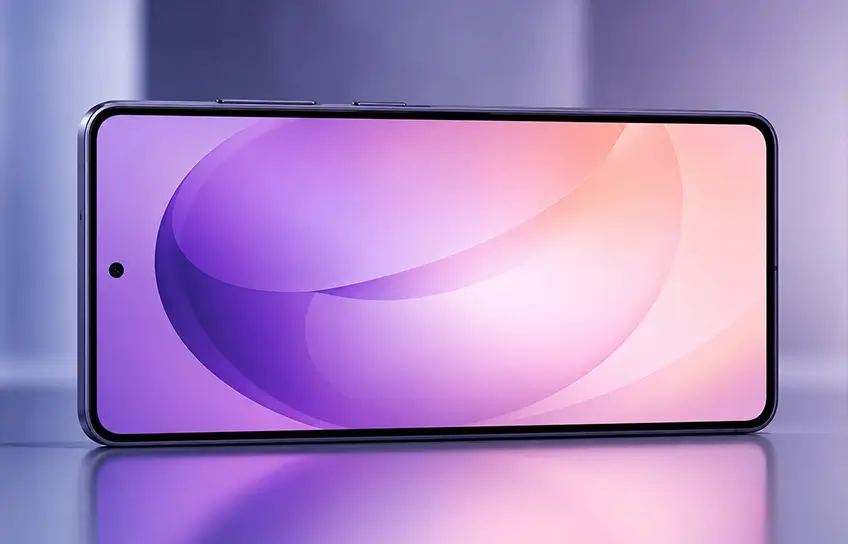
The 6.9-inch QHD+ panel, 120Hz LTPO adaptive refresh, and 2,600-nit peak brightness put it at the top of the Android market. For photographers doing color work on-device, the native 8-bit panel matters. For everyone else, the 10-bit processing delivers results that are visually indistinguishable from the real thing.
Performance
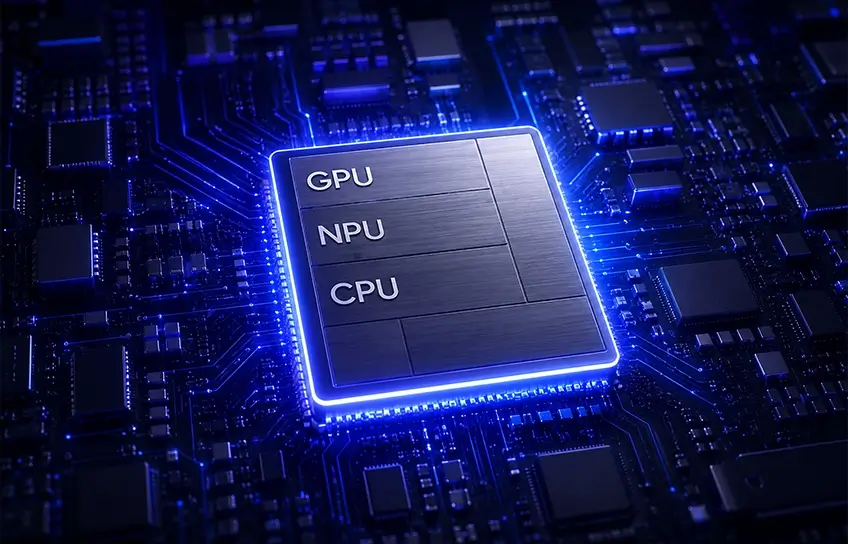
The Snapdragon 8 Elite Gen 5 is not just fast. It crossed a benchmark that Android phones have been chasing for years.
In Geekbench 6 single-core testing, the S26 Ultra scores 3,753. The iPhone 17 Pro Max scores 3,775. That is parity, not a gap. For years, Apple’s A-series chips led the single-core category by a margin that made direct comparisons embarrassing for Android. That margin is gone.
Multi-core is where the Snapdragon pulls clear. The S26 Ultra scores 11,259 versus the iPhone 17 Pro Max’s 9,749. For tasks that use multiple cores simultaneously, including video editing, heavy multitasking, and running on-device AI models, the S26 Ultra holds a genuine advantage.
Benchmark Comparison (2026 Flagship Segment)
| Phone | Geekbench Single | Geekbench Multi | AnTuTu |
| Samsung Galaxy S26 Ultra | 3,753 | 11,259 | 3,905,605 |
| Apple iPhone 17 Pro Max | 3,775 | 9,749 | 2,521,699 |
| Xiaomi 17 Ultra | 3,618 | 10,941 | 3,654,776 |
| Google Pixel 10 Pro XL | 2,316 | 6,260 | N/A |
The enlarged vapor chamber means the phone manages sustained performance better than its predecessor. Gaming sessions run without the uncomfortable heat buildup that older Snapdragon chips sometimes produce. The chip does throttle under extreme sustained GPU load, but for every game currently available on Android, it handles the workload without noticeable frame drops.
RAM is 12GB on the 256GB and 512GB models, stepping up to 16GB only on the 1TB configuration.
Galaxy AI
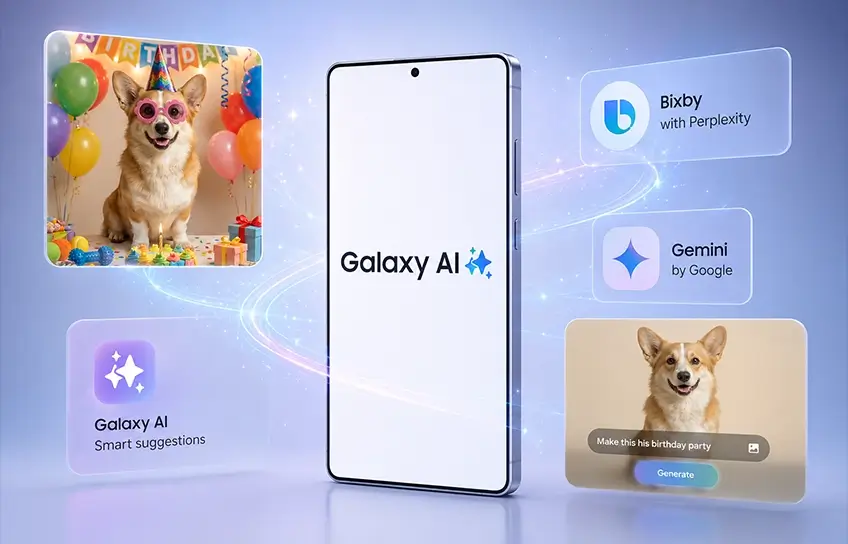
Samsung has stuffed four AI systems into the S26 Ultra: Galaxy AI, Bixby (now with Perplexity for general knowledge), and Google Gemini. That is both the phone’s biggest selling point and its most cluttered element. Having four AI engines with overlapping capabilities means you spend time figuring out which one to ask, rather than just asking.
Three features stand out as genuinely useful rather than demo-worthy:
Now Nudge reads your screen context in real time. A message arrives about weekend plans and it surfaces a calendar shortcut without you switching apps. Someone asks about photos from a recent trip and it pulls up your gallery. In theory, seamless. In practice, it takes weeks of learning your habits before the suggestions feel intuitive. Early use will produce suggestions that appear too rarely or at the wrong moment. Stick with it past the first week.
Call Screening with Voice Conversion handles unknown callers with live transcription and spam filtering. If you type a response mid-call, the feature converts it to a natural-sounding voice reply in real time. For situations where speaking is inconvenient, this is quietly brilliant.
Photo Assist text prompts are the most immediately impressive Galaxy AI feature. You can now ask Photo Assist to change a photo from night to day, add an element to a scene, or shift colors, all through a written description rather than manual selection. The results are not always perfect but they are good enough to replace Photoshop for casual edits.
Galaxy AI vs Competing AI Platforms (2026)
| Feature | Samsung S26 Ultra | Apple iPhone 17 Pro Max | Google Pixel 10 Pro XL |
| Agentic context AI | Now Nudge | Siri (limited) | Gemini Live |
| On-device processing | Snapdragon NPU | A19 Pro Neural Engine | Tensor G5 |
| AI call screening | Yes, with voice reply | Yes, basic | Yes, advanced |
| Hardware privacy display | Yes, world first | No | No |
| AI photo editing via text | Yes, Photo Assist | Clean Up only | Magic Eraser Pro |
| Stylus integration | S Pen included | No | No |
| Agentic AI maturity | Strong, ecosystem-limited | Conservative | Deepest integration |
One honest note on Gemini’s agentic features: the ability to ask Gemini to book an Uber and have it complete the task in the background sounds transformative on stage. In real-world testing across multiple review units, the booking flow often fails silently. Gemini confirms the action but nothing gets booked. This feature is promising and clearly early.
Camera System
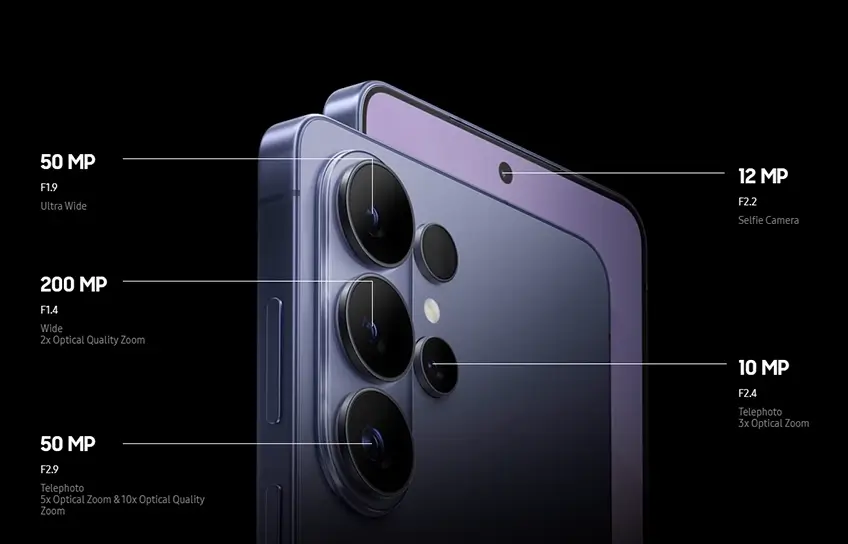
The low-light story is real. The wider f/1.4 aperture on the 200MP main sensor is not just a spec upgrade. It changes how the entire camera system behaves. Because more light enters the sensor, the shutter does not need to stay open as long, which reduces motion blur. The ISO can stay lower, which reduces noise.
Night shots from the S26 Ultra are noticeably cleaner and sharper than the S25 Ultra, and low-light shots of moving subjects show significantly less blur than anything previous Ultras produced.
The 5x telephoto also gains a wider aperture, moving from f/3.4 to f/2.9. The same advantages apply at distance. Action shots at 5x in difficult light are much more reliable this year.
What genuinely improved:
- Low-light main sensor shots: cleaner, brighter, less noise
- Low-light action shots: less blur thanks to faster shutter
- 5x telephoto low-light: meaningfully better
- Video stabilization: Horizon Lock is exceptional (more below)
- Selfie field of view: now 85 degrees, fits noticeably more people in frame
What stayed the same or got worse:
The 3x telephoto is essentially unchanged since the Galaxy S21 Ultra. Three generations without a meaningful update on that sensor is a real gap, particularly when rival Android phones have upgraded their mid-range zoom optics significantly.
The 5x camera lost the minimum focus distance that the S25 Ultra had. Close-up shots with the 5x that were possible last year are not possible this year. This is a specific regression worth knowing before buying.
Macro photography still uses the ultrawide lens rather than a telephoto. Other Android flagships, particularly from Chinese brands, now use telephoto sensors for macro work and the results are substantially better. Samsung has not made this shift.
A tip most reviews miss: Enabling 24MP mode through the Camera Assistant app rather than shooting at 12MP or jumping straight to 50MP gives you more cropping flexibility without the overexposure in bright skies that 50MP sometimes produces. Samsung hides this option in a separate app, which is a strange choice for a feature that most photographers would prefer as a default.
Horizon Lock for video is the standout addition. It keeps footage level regardless of how the phone is tilted or rotated, functioning as a software gimbal. Running alongside a moving subject while filming produces stable, broadcast-quality footage. Rotating the phone 180 degrees mid-shot while the footage remains perfectly level is the kind of thing that makes people stop and ask what camera you used.
APV lossless video is available at 8K 30fps and 4K 120fps. The results are genuinely professional in quality. The practical reality: a 22-second APV clip runs to approximately 1.7GB. You will fill 256GB of storage faster than you expect. The 512GB model is the more sensible choice for anyone shooting serious video.
Battery Life and Charging
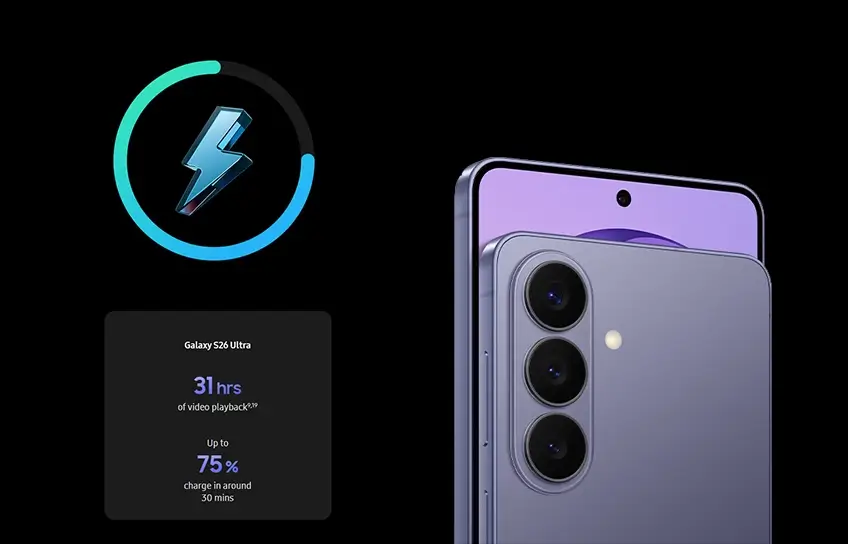
The battery capacity is 5,000 mAh. It has been 5,000 mAh since the Galaxy S21 Ultra. Samsung has now used this same capacity for six consecutive generations while other Android phones have pushed to 6,000 mAh and beyond.
Real-world screen time lands between six and eight hours depending on usage intensity. With moderate use, most people reach the end of a full day with charge to spare. Heavy users, those running AI features, gaming, and shooting video, should plan on charging once before the day ends.
What changed is how fast that charging happens.
Charging Speed: Real-World Timeline
| Method | 20 Minutes | 30 Minutes | Full Charge |
| 60W Wired | ~55% | 76% | 49 minutes |
| 25W Wireless (with case) | ~27% | 40% | 85 minutes |
The jump from 45W to 60W wired charging is not dramatic on paper. In daily use, it changes the psychology of charging completely. A 15-minute charge while getting ready in the morning adds enough capacity to remove any anxiety for the rest of the day. That matters more than a larger battery in a phone you actually use.
Wireless charging requires a magnetic case for the full 25W Qi2.2 speed. Without one, you fall back to slower standard wireless rates. Samsung skipped embedding a magnetic ring into the chassis itself, which means buying a case is not optional if wireless charging speed matters to you.
Audio Quality
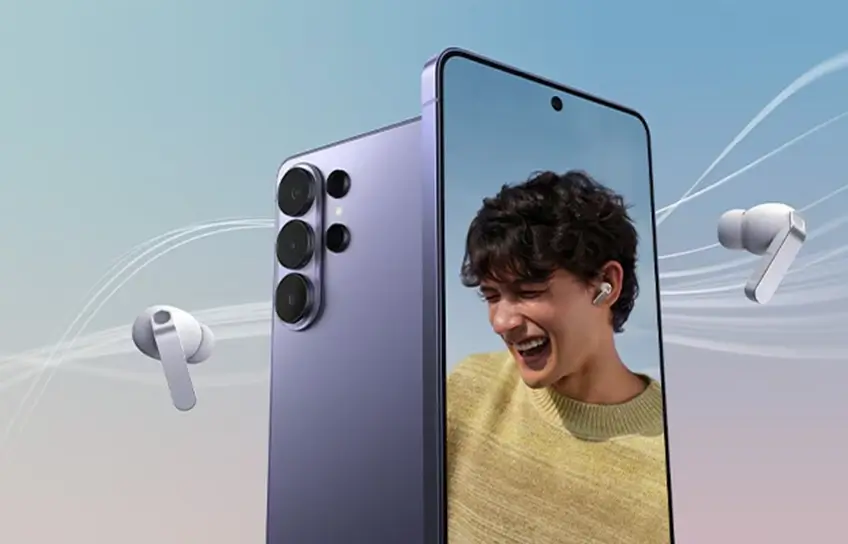
The S26 Ultra’s speakers deserve more attention than they typically get. The speaker setup is slightly quieter than the S25 Ultra but tuned to sound punchier, with less of the shrill high-frequency edge that affected the previous model at maximum volume. Bass is more controlled than most Android phones at this price point. The stereo separation is clear and gives video content and music genuine width.
Compared to the iPhone 17 Pro Max, the S26 Ultra sounds more open and energetic. The iPhone has tighter, more controlled low frequencies and cleaner separation between instruments, which makes it the better choice for serious music listening. For video content, gaming, and casual use, the S26 Ultra holds its own comfortably.
Haptics are responsive and precise, not the mushy vibration that cheaper phones produce. They will not match a dedicated iPhone haptic engine, but they are among the best on Android.
The Samsung Ecosystem
The S26 Ultra does not get mentioned in the same breath as the Apple ecosystem, but Samsung’s connected platform is more capable than most buyers realize until they are inside it.
Samsung DeX turns the phone into a desktop environment when connected to a monitor. For road warriors who carry a phone instead of a laptop, running presentations, editing documents, and managing email from a hotel TV with a Bluetooth keyboard is a real capability, not a demo feature.
Secure Folder creates an isolated, encrypted space on the phone with its own set of apps and data. Work apps stay completely separated from personal ones. For professionals who use one device for everything, this solves a real problem.
Galaxy ecosystem integration with Galaxy Watch, Galaxy Buds, Galaxy Tab, and Galaxy Book products deepens with each generation. Features like continuous calls between devices, shared clipboard, and camera streaming between phone and laptop work reliably across Samsung hardware in a way they do not between Samsung and other Android brands.
None of these features are exclusive to the S26 Ultra. If you already own Galaxy devices, the S26 Ultra strengthens every connection. If you own none, they are worth factoring into the total value calculation at $1,299.
S Pen
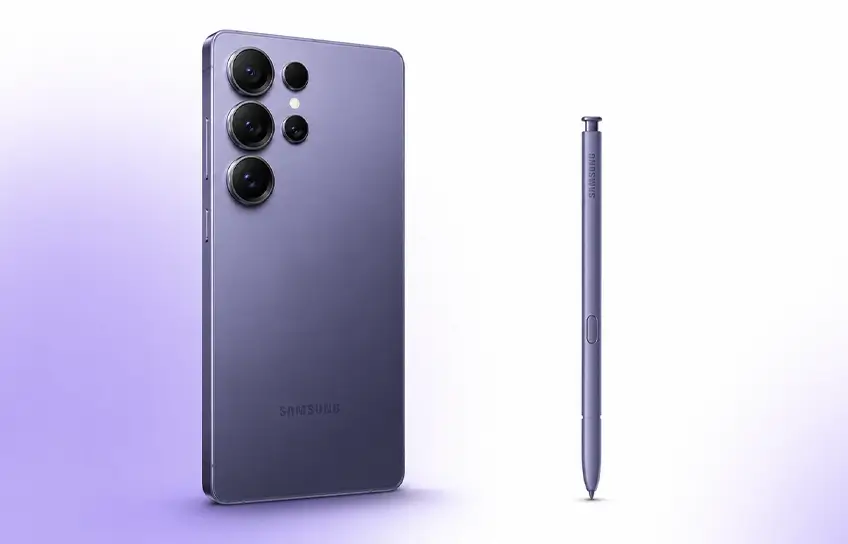
The S Pen is still the only built-in stylus on any flagship smartphone. For handwritten notes, document annotation, quick sketches, and pressure-sensitive drawing, nothing else at any price comes close.
It is also getting worse with each generation.
This year’s S Pen is 0.8mm thinner than the S25 Ultra’s version. It feels lighter and slightly cheaper in hand. The click has a hollow, metallic sound compared to the satisfying feedback of older S Pens. Bluetooth functionality, removed last year, is still absent. The new curved tip to match the phone’s rounded corner means you need to insert it the correct way for it to sit fully flush, something previous models did not require.
Samsung is working on a next-generation S Pen, but nothing is confirmed. The rumors point toward the S27 Ultra potentially changing the stylus significantly. If the S Pen is the primary reason you’re considering an Ultra, the S26 Ultra still delivers that experience. Just know it has been regressing incrementally for two years running.
Should You Upgrade?
From Samsung Galaxy S23 Ultra: Upgrade. The case is strong.
Two chipset generations of performance improvement. The Privacy Display. A jump from 45W to 60W charging. A meaningfully wider aperture for night photography. And the full Galaxy AI suite including features that were unavailable on the S23 platform. Trade-in deals can bring the effective cost down to around $400. At that price, the generational gap justifies itself clearly.
From Samsung Galaxy S24 Ultra: Wait, unless specific conditions apply.
The hardware gains are real but targeted. If you commute daily in crowded public spaces, Privacy Display changes your daily experience in a concrete way. Professional low-light photographers will also notice a real difference thanks to the aperture improvement. For everyone else, the S27 Ultra remains the better bet. Samsung has publicly indicated it will deliver a more significant hardware update next generation.
From Apple iPhone 17 Pro Max: Depends entirely on which ecosystem you live in.
The S26 Ultra wins on AI feature depth, customization, Privacy Display, S Pen integration, multi-core performance, and charging speed. The iPhone 17 Pro Max wins on video color science, app polish, and ecosystem coherence across Apple devices. If you are already deep in Google Workspace and Android apps, the switch makes sense. If most of your daily tools are Apple-first, the friction of switching will cost you more than any spec advantage gains.
From a Samsung with an Exynos chip (S22 Ultra or earlier, some markets):
This upgrade will feel like a different category of device entirely. The gap between an Exynos-powered Galaxy and the Snapdragon 8 Elite Gen 5 is not incremental. It is substantial. If you have been waiting for a reason, this is it.
Curious how the S Pen experience compares across generations? The Samsung Galaxy S21 marked the first time Samsung integrated the S Pen into the S series. Five generations later, the gap is instructive.
Who Should Skip the S26 Ultra
Not every buyer at this price point needs this phone. Skip it if:
- You own a Galaxy S25 Ultra. The upgrade is mostly software-driven. Your hardware performs within 10% of the S26 Ultra on real-world tasks. One UI 8.5 may arrive via update.
- Charging speed is your priority. The OnePlus 15 charges at 100W. The S26 Ultra’s 60W is Samsung’s best but not Android’s best.
- You shoot professional video and need maximum storage. APV lossless video at 22-second clips running 1.7GB each will fill 256GB in an afternoon. Budget for the 512GB model or above.
- The iOS-influenced design direction frustrates you. One UI 8.5 borrows floating bottom bars, transparency effects, and back button placement from iOS. If you bought Android specifically to escape that aesthetic, this version moves further toward it, not away.
- Your budget is flexible and everyday performance is enough. The Samsung Galaxy A57 5G and Samsung Galaxy A37 5G deliver reliable daily performance at a fraction of this price. And for buyers open to Apple’s ecosystem, the Apple iPhone 17e is a polished compact option at a significantly lower entry point.
Final Verdict
The Samsung Galaxy S26 Ultra is not a reinvention. It was never going to be. What it is: the most refined, most complete execution of the Ultra formula Samsung has shipped in three years.
The Privacy Display works. Galaxy AI’s Now Nudge is the most genuinely useful agentic feature on any Android phone today, even if it needs weeks to deliver on that promise. The 60W charging upgrade changes the daily charging experience in ways a bigger battery number never quite does. And the Snapdragon 8 Elite Gen 5 has closed the gap with Apple’s silicon in a way that Android buyers have been waiting years to see.
The criticisms are real too. The 3x camera has been the same since 2021. The S Pen has regressed two years running. The battery capacity is identical to six generations ago. And Now Nudge’s potential is currently ahead of its consistency.
